Foundation
Foundation problems in commercial buildings rarely start with drama. They begin quietly, often unnoticed, while daily operations continue as usual. Small cracks, uneven floors, or sticking doors may seem minor at first, but in commercial properties, these signs carry far more weight than in a residential setting. Ignoring them can put safety, compliance, and long-term value at risk.
If you are already seeing structural warning signs, reviewing options like foundation repair canton early helps you understand whether the issue is cosmetic or something that requires immediate action. Commercial foundation repair is less forgiving of delays, and timing often determines whether repairs stay manageable or spiral into major disruptions.
Why Commercial Buildings Face Higher Stakes
Commercial structures carry heavier loads, higher foot traffic, and stricter safety requirements. When foundation movement begins, the consequences extend beyond cracked walls. Equipment alignment, drainage systems, and load-bearing elements all depend on a stable foundation.
The first stage of commercial foundation repair often involves identifying how structural stress affects operations. Uneven flooring can disrupt machinery. Wall separation can expose buildings to moisture and energy loss. These problems do not stay isolated for long.
Warning Signs That Should Not Be Ignored
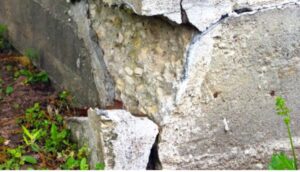
Certain signs indicate that commercial foundation repair is no longer optional. Wide cracks in masonry, floors that slope noticeably, or columns pulling away from ceilings point to active foundation movement. These issues signal that the structure is no longer distributing weight evenly.
Doors and windows that no longer align properly across multiple areas of the building often indicate deeper foundation shifts. In commercial spaces, this misalignment can affect fire safety compliance and accessibility standards, adding regulatory pressure on top of structural concerns.
How Delays Increase Costs and Risk
Postponing commercial foundation repair almost always leads to higher costs. What begins as a stabilization issue can escalate into extensive structural reinforcement. As foundations move, they place stress on plumbing lines, electrical conduits, and exterior walls.
Downtime is another major factor. Repairing a problem early often allows work to be staged with minimal disruption. Waiting too long may require partial closures, tenant displacement, or halted operations. The longer the structural movement continues, the fewer flexible options remain.
Insurance and Liability Considerations
Many property owners assume insurance will cover foundation issues. In reality, coverage often depends on cause and timing. Gradual settlement and soil movement are frequently excluded. Once a problem is documented and ignored, liability risks increase.
Commercial foundation repair also intersects with responsibility toward tenants and employees. Structural hazards expose owners to legal risk if injuries occur. Acting early reduces both financial exposure and compliance complications.
When Temporary Fixes Stop Working
Some building owners attempt surface-level solutions, such as crack filling or floor-leveling compounds. While these may temporarily improve appearance, they do not address underlying movement. In commercial settings, these fixes often fail quickly under load stress.
When recurring cracks appear in the same areas or new ones form nearby, it is a clear sign that commercial foundation repair is needed at the structural level. Temporary repairs may even mask problems long enough to make final repairs more complex.
Here is an expanded version that adds depth, clarity, and authority while staying tight and readable.
The Role of Soil and Site Conditions
Foundation problems are not always the result of poor construction or aging materials. In many commercial properties, the ground beneath the building plays a larger role than the structure itself. Soil composition, drainage patterns, and changes to the surrounding site all directly affect foundation stability over time.
Expansive soils are a common issue. These soils swell when they absorb moisture and shrink during dry periods, creating constant movement beneath the foundation. That movement repeatedly stresses slabs, footings, and support columns. Poor water management only intensifies the problem. Inadequate drainage allows water to collect in the soil, increasing pressure against foundation walls and accelerating shifting.
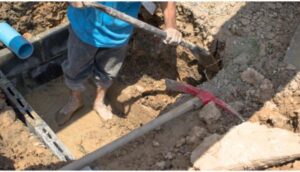
Nearby excavation and development can also disrupt soil balance. Construction activity changes how water flows through the ground and can remove supporting soil that once helped stabilize the foundation. Even changes in landscaping or parking areas can redirect water toward the building.
Effective commercial foundation repair accounts for these conditions rather than focusing solely on visible damage. Stabilizing a structure without correcting soil behavior or drainage patterns often leads to recurring cracks, uneven settling, and repeated repairs. Long-term solutions aim to restore balance between the structure and the ground supporting it by controlling moisture, managing soil movement, and reinforcing load-bearing areas. When the site itself is addressed, repairs last longer and structural performance improves.
Planning Repairs Without Disrupting Operations
One advantage of acting early is the flexibility it offers. When addressed early, commercial foundation repair can often be planned in phases. This allows businesses to remain open and operational while work progresses.
Waiting until damage becomes severe removes that flexibility. Emergency repairs rarely align with business schedules. Proactive planning protects both the structure and the continuity of operations.
Conclusion
Foundation issues in commercial buildings do not improve with time. What begins as a warning sign can quickly become a safety concern, a financial drain, and an operational headache. Knowing when repair is necessary rather than optional protects your investment and the people who rely on the space every day.
For property owners seeking dependable solutions and clear guidance, Canton Foundation Repair Specialists bring the experience needed to address structural problems before they grow into costly interruptions.