don du ciel turf
One such name that has been gaining attention in the turf racing community lately is Don Du Ciel Turf. This name has become synonymous with speed, elegance and a rich tradition of turf racing. To fully understand its meaning and importance, it is necessary to examine the background of turf racing, the characteristics of Don Du Ciel and how the term fits into the wider landscape of equestrian sport.
What is Don Du Ciel Turf
The term Don Du Ciel Turf is a mixture of two elements: Don Du Ciel, which can be translated from French as “Gift of Heaven”, and Turf, referring to the grass surface where traditional horse racing takes place. In combination, this evokes the image of a majestic horse with extraordinary abilities, often associated with grace, agility and high performance on grass tracks.
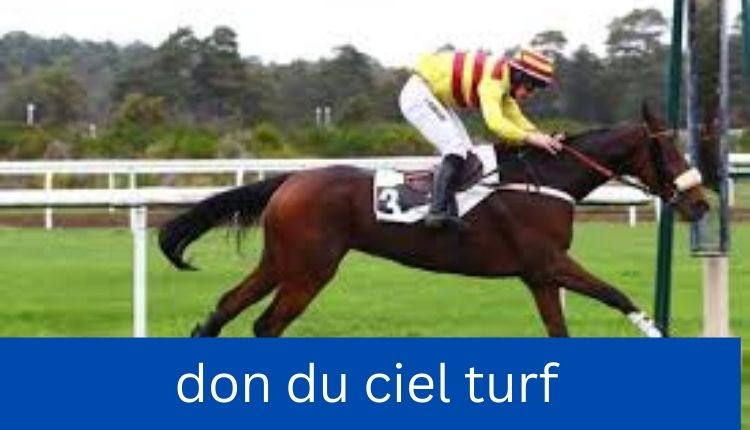
In horse racing, the word “turf” refers to a natural grass surface, distinguishing it from “clay” or “synthetic” tracks. Horses that excel on turf are usually lighter on their feet, with an elegant canter and strong stamina. Don Ciel Turf, therefore, symbolises both a remarkable racehorse and a refined tradition of turf racing, which underlines the skill, precision, and perfection of breeding.
History of turf racing
Don Du Ciel Turf racing has been a cornerstone of horse racing since its inception. Originating in Europe, particularly the United Kingdom and France, turf racing was popular for its natural terrain and the skill required to navigate its sometimes unpredictable surfaces. Horses bred for turf were known for their endurance, adaptability and smooth stride.
In France, where the phrase Don Du Ciel finds its linguistic roots, turf racing has become more than a sport – it has evolved into a cultural phenomenon. Events such as the Prix de l’Arc de Triomphe and other prestigious turf races represent not only athletic performance but also elegance and tradition. Don Du Ciel’s association with turf racing probably stems from this deep connection between language, sport and art.
The importance of Don Du Ciel in modern racing
In modern racing circles, Don Du Ciel Turf has become synonymous with excellence and pedigree. Horses named Don Du Ciel or connections to similar lines often represent top breeding programs focused on both strength and intelligence. Such horses are prized for their balance between speed and handling, especially on grass tracks where the footing can change according to weather and maintenance conditions.
The Don Du Ciel line may also symbolise the evolution of horse racing genetics, where breeders strive to produce horses that can perform on multiple types of tracks while maintaining elegance and endurance. Turf-specific horses require unique training and nutrition plans to ensure they adapt well to natural grass, and Don Ciel Turf embodies this philosophy of tailored performance.
Why Turf Racing is unique
Turf racing is distinguished from other forms of horse racing by its distinctive challenges and aesthetic appeal. The soft but sometimes uneven surface requires agility and rhythm rather than mere speed. Horses need to adjust their stride to maintain balance, and jockeys need a good understanding of pace and positioning.
Turf courses are also visually appealing, often surrounded by lush landscaping to enhance the spectacle. Many of the most prestigious races in the world, including those in France, England and Japan, are held on grass. The name Don Du Ciel Turf fits perfectly into this tradition and represents a connection to the heritage and art of the sport.
Training horses for turf racing
Training for turf races requires a specialised approach. Unlike dirt tracks, which emphasise explosive starts and speed endurance, training on turf focuses on fluid movement, endurance, and adaptability. Horses like Don Du Ciel Turf undergo specific exercises to strengthen their joints, improve traction, and increase flexibility.
Nutrition also plays a vital role, as turf racing horses need a balanced diet that promotes lean muscle mass and joint health. Trainers ensure their horses are used to the natural feel of grass underfoot and practise on different terrains to simulate racing conditions. Attention to detail in training contributes to the consistent performance and elegance associated with turf specialists.
The global popularity of turf racing
Turf racing is hugely popular throughout Europe, Asia, and Australia. In countries such as France and Japan, turf races often attract millions of spectators, both on-site and online. Major racing events such as Royal Ascot in the UK, the Japan Cup, and the Prix de l’Arc de Triomphe celebrate turf excellence.
As a symbolic name or entity, Don Du Ciel Turf resonates with this global enthusiasm. It represents not only horses but also the collective passion of turf enthusiasts who appreciate the strategy, tradition and beauty of horse racing. Turf events are celebrated for their blend of heritage and modern competition, where legends are made and racing history is made.
The legacy and future of Don Ciel Turf
Don Du Ciel Turf’s legacy lies in representing high-quality breeding and superior racing performance. Whether used as a name for a champion horse or a racing stable, it signifies dedication to the art of the sport. This legacy continues to inspire new generations of breeders, trainers, and fans to strive for excellence on grass tracks.
Looking ahead, the future of turf racing remains bright. With advances in horse genetics, track maintenance and race analysis, horses like Don Du Ciel will continue to thrive. A focus on sustainability and horse welfare has also boosted the sport’s reputation, ensuring that turf racing remains ethical and exciting for years to come.
Cultural impact of Don Du Ciel Turf
Beyond racing, the Don Du Ciel Turf has become a cultural reference point symbolising sophistication, grace, and excellence. In literature, art, and even fashion, images of turf races often reflect the same qualities represented by Don Du Ciel – refinement, strength, and harmony with nature. This influence extends beyond the racetrack and resonates with audiences who admire the sport’s rich history and aesthetics.
Conclusion
Don Du Ciel Turf is more than just a name; it embodies the spirit of horse racing at its best. From its French roots to its symbolic association with the elegance of the lawn, it represents a blend of tradition, skill, and innovation. Turf racing showcases the beauty of equestrian competition with its fresh tracks and strategic challenges. Don Ciel Turf reminds us that horse racing is not just about winning but also about celebrating heritage, grace, and the lasting bond between people and horses.
Frequently asked questions
What does Don Du Ciel Turf mean
It roughly translates as “Gift of the Heavenly Turf”, symbolising a graceful and powerful horse that excels on grass tracks.
Why is turf racing popular?
Turf racing is popular because it combines beauty, strategy, and tradition. The natural surface requires skill from both horse and jockey, making it more nuanced than other racing types.
What makes turf horses different?
Turf horses have unique physical traits, including lighter builds and smooth strides, allowing them to perform better on grass surfaces compared to dirt or synthetic tracks.
Is Don Ciel Turf a real horse?
Don Du Ciel may refer to an actual racehorse or a symbolic name representing excellence in turf racing, depending on context.
Which countries are known for turf racing?
France, the United Kingdom, Japan, and Australia are among the leading nations renowned for their world-class turf racing events.