Foundation
You notice a crack in your basement wall, and suddenly your thoughts spiral. Is it harmless settling or something serious? Should you grab a repair kit and handle it this weekend, or is this the kind of issue that needs expert attention? Foundation problems have a way of turning small lines in concrete into big concerns.
If you have been searching for answers about foundation crack repair cincinnati, you are likely trying to decide whether foundation crack repair is something you can manage alone. Many homeowners face this exact question. The honest answer depends on the type of crack, its cause, and whether the damage is stable or worsening.
Not All Cracks Mean Structural Failure
Concrete naturally shrinks as it cures. Soil expands and contracts with changes in moisture. Homes shift slightly over time. As a result, small cracks are common in many foundations.
Hairline vertical cracks are often the result of normal curing or minor settling. These cracks may look dramatic, but are frequently cosmetic. In situations like this, foundation crack repair may simply involve sealing the surface to prevent moisture from entering.
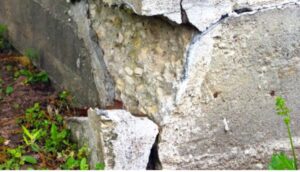
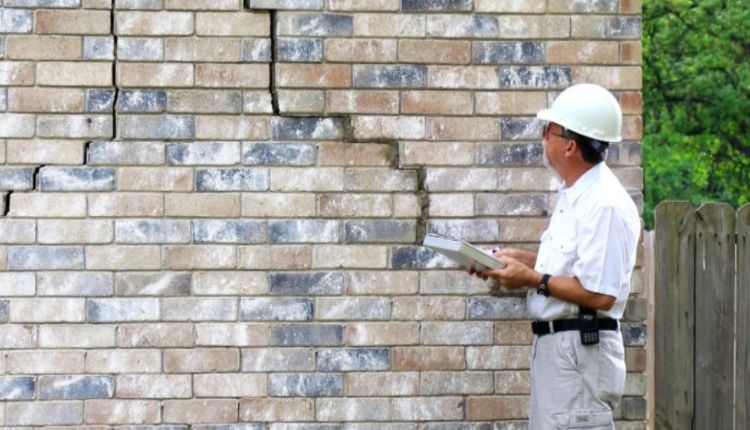
However, horizontal cracks or stair-step cracks in block foundations can signal pressure from surrounding soil. When cracks follow these patterns, foundation crack repair becomes more than a cosmetic fix. It may indicate structural stress that requires deeper evaluation.
Understanding the direction and pattern of a crack is critical before deciding on a solution.
When DIY Foundation Crack Repair Is Reasonable
There are cases where handling foundation crack repair yourself makes sense. If the crack is thin, vertical, and has not grown over time, a quality epoxy or polyurethane sealant may solve the issue.
DIY foundation crack repair works best when the crack is stable and not linked to shifting or bowing walls. Sealing small cracks can help block water intrusion and improve the appearance of your basement or crawl space.
Before applying any product, monitor the crack for a while. Mark the ends lightly and check for changes. If the crack remains the same size and no new symptoms appear, a simple repair may be enough.
The key is stability. If the foundation is not actively moving, surface-level repair can be effective.
Warning Signs You Should Not Ignore
Some cracks tell a bigger story. If you notice widening gaps, multiple cracks forming quickly, or walls bowing inward, you may be dealing with ongoing movement beneath your home.
Additional red flags include:
- Doors or windows that suddenly stick
• Floors that feel uneven
• Water seeping through cracks
• Cracks that widen toward one end
These signs suggest the need for professional foundation crack repair rather than a basic patch job. Filling the crack without addressing the underlying cause can lead to recurring problems.
Movement often results from soil pressure, poor drainage, or settlement. Addressing only the visible damage leaves the underlying issue untouched.
Inside Versus Outside Repair Approaches
Homeowners often ask whether foundation crack repair should be done from the interior or the exterior.
Interior repairs focus on sealing the crack from inside the basement or crawl space. This approach can stop minor leaks and is less invasive.
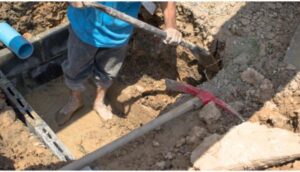
Exterior repairs address the source of pressure and moisture from outside the home. This may involve improving drainage, adjusting grading, or reinforcing the wall. If soil pressure is contributing to the crack, exterior work may be necessary to relieve that force.
Choosing the right approach depends on what caused the crack in the first place. A proper evaluation determines whether interior sealing alone will be effective.
The Truth About Quick Fix Products
Store shelves are filled with products promising fast results. Epoxy injections, foam sealants, and patch compounds can be helpful when used appropriately.
For small and stable cracks, these materials can perform well. They bond concrete and block moisture effectively. In these situations, foundation crack repair can be straightforward.
However, no product can stop foundation settlement or relieve heavy soil pressure. If structural movement is occurring, sealing the crack will not prevent it from reopening later.
Foundation crack repair must match the severity of the problem. Products are tools, not miracles.
Is It Normal for Older Homes to Have Cracks?
Older homes commonly develop minor cracks as materials age and shift slightly over decades. Not every crack in a long-standing home signals danger.
What matters most is whether the crack is active. Stable cracks that have not changed over time are often less concerning. Active cracks that grow, shift, or allow water inside require closer inspection.
Foundation crack repair is about identifying whether your home is simply aging naturally or experiencing ongoing structural stress.
The Cost of Waiting
Many homeowners hesitate to seek professional help because they worry about the expense. While DIY foundation crack repair may seem more affordable, ignoring structural movement often increases long-term costs.
Water intrusion can weaken materials over time. Continued settlement can widen cracks and affect other areas of the home. What begins as a minor issue can develop into a more significant repair if left unchecked.
Getting accurate information early allows you to make informed decisions and avoid unnecessary escalation.
Conclusion
The truth about foundation crack repair and fixing cracks yourself is straightforward. Some cracks are minor and manageable with basic tools. Others indicate deeper structural concerns that require professional attention. The difference lies in stability, pattern, and progression.
If you want clarity about the right solution for your home, Cincinnati Foundation Repair & Waterproofing provides experienced evaluation and dependable repair options. Taking action early helps protect your home’s structure and gives you confidence that your foundation is built to last.