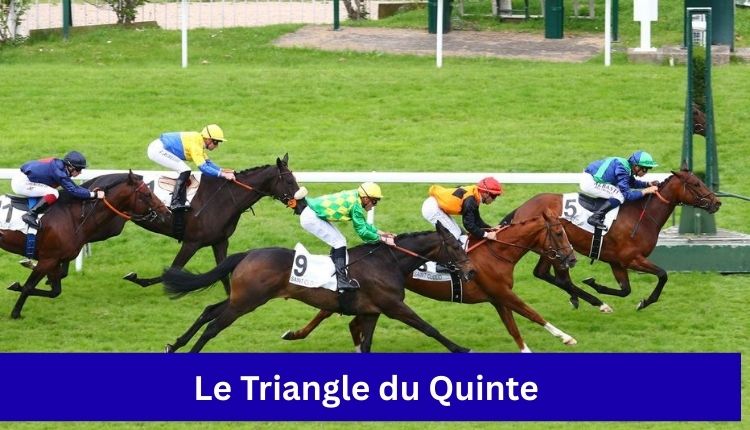
Le Triangle du Quinte
Although the expression may sound mysterious at first, it represents a concept that blends structure, balance, and interconnected elements into a single framework. Whether interpreted through a cultural, analytical, or strategic lens, le triangle du quinte carries depth and relevance that extends beyond its literal meaning.
In English-speaking discussions, triangle du quinte is often referenced as a symbolic triangle involving five interconnected dimensions or influences. The word “quinte” itself implies a fifth element, creating a fascinating contrast with the geometric stability of a triangle. This combination sparks curiosity and invites deeper exploration into how three foundational pillars can support five distinct forces or outcomes.
The Origin and Linguistic Meaning of Triangle du Quinte
To understand le triangle du quinte, it is essential to look at the linguistic roots of the phrase. In French, “triangle” refers to the well-known three-sided shape that symbolises balance, stability, and structure. The term “quinte” traditionally refers to the number five, but it also appears in music, sports, and probability contexts, often indicating a sequence or combination.
When combined, the triangle du quinte suggests a structured system where three core components influence or sustain five outcomes. This duality between three and five is what makes the concept particularly intriguing. Rather than being contradictory, the numbers complement each other, indicating a layered system where simplicity supports complexity.
Conceptual Framework Behind Triangle du Quinte
At its core, le triangle du quinte can be understood as a conceptual framework. The triangle represents stability and foundational strength, while the quintet represents expansion, diversity, and multiplicity. Together, they form a model where a small number of core principles generate a wider range of results.
This framework is often applied metaphorically in areas such as strategy, analysis, education, and creative thinking. The idea is that by mastering three essential pillars, one can influence or control five broader variables. This makes the triangle du quinte a powerful mental model for understanding complex systems without becoming overwhelmed.
Symbolism and Structural Balance
Symbolism plays a major role in the appeal of le triangle du quinte. Triangles have long been associated with harmony, strength, and equilibrium across different cultures. Adding the element of the quinte introduces movement and progression, suggesting that stability does not mean stagnation.
In symbolic terms, triangle du quinte represents controlled growth. The three sides of the triangle provide limits and direction, while the five elements of the quintet push outward, encouraging development and adaptation. This balance between control and expansion is one of the reasons the concept resonates with modern thinkers.
Triangle du Quinte in Strategic Thinking
In strategic thinking, le triangle du quinte can be used as a model for decision-making and planning. The triangle can represent three non-negotiable core principles, such as vision, consistency, and discipline. From these principles emerge five strategic outcomes or objectives that define success.
This approach allows individuals and organisations to remain focused while still being flexible. Instead of trying to manage too many variables at once, triangle du quinte emphasises mastering the foundation first. Once the foundation is secure, expansion becomes both manageable and sustainable.
Psychological and Cognitive Interpretations
From a psychological perspective, le triangle du quinte aligns well with how the human mind processes information. People tend to remember and manage information better when it is structured and limited. Three core ideas are easier to retain, while five related extensions provide enough variety to keep engagement high.
This makes the triangle du quinte a useful tool for learning, teaching, and communication. By organising information around three main themes that branch into five related concepts, complex ideas can be presented in a way that feels intuitive rather than overwhelming.
Cultural and Modern Relevance
In contemporary culture, there is a growing appreciation for frameworks that simplify complexity. Le triangle du quinte fits perfectly into this trend. It offers a structured yet flexible approach that can be adapted to various fields, including creative work, analysis, and personal development.
The French origin of the phrase also adds an element of sophistication and intellectual appeal. Using triangle du quinte as a concept often signals thoughtful design and intentional structure, which is why it continues to gain popularity in modern discussions.
Practical Applications of Le Triangle du Quinte
Practical application is where le triangle du quinte truly shines. It can be used as a planning model, a learning structure, or even a personal growth framework. By defining three foundational values or skills, individuals can map out five measurable goals or outcomes that stem from those foundations.
This approach encourages clarity and focus. Instead of chasing multiple unrelated objectives, triangle du quinte promotes alignment. Every action connects back to the core, ensuring consistency and long-term effectiveness.
Why Triangle du Quinte Stands Out
What makes the triangle du quinte unique is its ability to merge simplicity with depth. Many frameworks either oversimplify or become too complex to apply. Le triangle du quinte avoids both extremes by offering a balanced structure that is easy to understand yet rich in meaning.
The interplay between three and five creates a dynamic system that feels natural and adaptable. This is why the concept continues to be referenced in discussions about structure, balance, and strategic thinking.
The Future of Triangle du Quinte
As more people seek efficient ways to organise ideas and strategies, le triangle du quinte is likely to gain even more relevance. Its flexibility allows it to evolve with changing needs, while its core structure remains timeless.
Whether used formally or informally, the concept has the potential to become a lasting mental model. Its emphasis on foundational strength combined with purposeful expansion aligns well with the challenges of modern life and work.
Conclusion
Le triangle du quinte is more than just an intriguing French phrase. It represents a powerful way of thinking about balance, structure, and growth. By combining the stability of a triangle with the expansion of a quintet, the concept offers a framework that is both practical and philosophical. In a world filled with complexity, triangle du quinte provides clarity, focus, and direction. Its enduring appeal lies in its ability.
Frequently Asked Questions
What does ‘ triangle du quinte’ mean in simple terms?
Le triangle du quinte refers to a structured concept where three core elements support or influence five related outcomes. It emphasises balance, stability, and controlled expansion.
Is triangle du quinte a mathematical concept?
While it uses geometric and numerical symbolism, triangle du quinte is more conceptual than mathematical. It is often applied metaphorically rather than through calculations.
Why is the triangle du quinte considered useful?
The concept is useful because it simplifies complex ideas into a manageable structure. It helps people focus on foundational principles while still addressing multiple objectives.
Can the triangle du quinte be applied in daily life?
Yes, the triangle du quinte can be applied in personal planning, learning, and goal-setting. By identifying three core values or skills, individuals can guide five meaningful outcomes.
Is the triangle du quinte a modern idea?
Although the phrase is rooted in the French language and symbolism, its modern relevance comes from how well it fits contemporary needs for clarity, structure, and adaptability.