Foundation
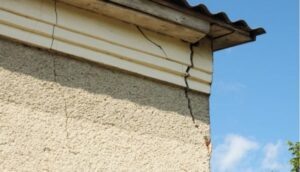
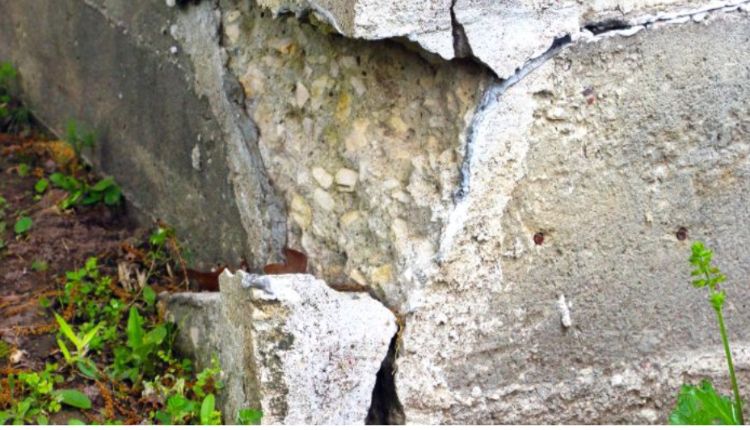
Cracks in concrete foundations are a common concern for homeowners, but not all cracks are equally serious. While some small hairline cracks are simply cosmetic, others can indicate structural issues or water intrusion risks. Ignoring these cracks can lead to more severe problems over time, including uneven floors, damaged walls, and costly foundation failures. Understanding when to take action is crucial for protecting your home’s structural integrity and value.
Homeowners in the New Baltimore area can benefit from foundation repair New Baltimore to accurately assess damage and determine the best course of action. Professionals can evaluate the severity of cracks, identify underlying causes such as soil movement or poor drainage, and recommend long-term solutions. Early detection reduces the risk of further damage and ensures repairs are effective.
Common Methods for Repairing Foundation Cracks
There are several reliable methods used to repair cracks in concrete foundations, each suited to specific types of damage and severity:
- Epoxy Injection: Epoxy injection is one of the most common methods for repairing narrow, structural cracks. The epoxy bonds the concrete together and restores the foundation’s structural integrity. It works best for interior and exterior cracks that are dry or minimally wet.
- Polyurethane Foam Injection: Unlike epoxy, polyurethane foam is flexible and ideal for water-bearing cracks. The foam expands to fill voids, creating a waterproof seal that prevents leaks and moisture damage. It is often used in basements or areas prone to groundwater intrusion.
- Concrete Patching or Skim Coating: For minor, superficial cracks, a cement-based patch or skim coat can restore the surface and prevent cosmetic issues. While effective for small cracks, this method does not address structural concerns.
- Underpinning and Piering: Large or structural cracks caused by settlement or soil movement may require underpinning or piers. Steel or helical piers are installed beneath the foundation to stabilize it and prevent further movement. This method is more intensive but provides a permanent solution for serious structural problems.
Factors That Affect Repair Costs
The cost of foundation crack repair is influenced by several factors, making it difficult to provide a one-size-fits-all estimate. The size and severity of the cracks play a major role; small hairline cracks may only require surface patching, while deep or wide cracks can indicate underlying structural issues that need more intensive solutions. The repair method selected also affects pricing. Simple epoxy injections or cement-based patching are often more affordable, whereas methods like polyurethane foam injection, underpinning, or piering are labor-intensive and require specialized equipment, driving costs higher.
The type of foundation is another critical factor. Concrete slab foundations, poured walls, and block foundations each present unique challenges. For example, slab foundations may require leveling or slab jacking, whereas block or poured walls might involve crack sealing combined with interior or exterior waterproofing. Accessibility is also a key consideration. Basements with finished interiors, landscaping obstacles, or limited entry points may increase labor and material costs. Additional protective measures, such as installing drainage systems, sump pumps, or French drains, can further impact the total investment but are often necessary for long-term protection.
Preventive Measures to Protect Your Foundation
After foundation crack repair is completed, ongoing maintenance is essential to preserve the work and prevent future damage. Proper grading around the perimeter of your home ensures that water flows away from the foundation rather than pooling against it. Functioning gutters and downspouts are equally important, as clogged or improperly directed water can undermine the foundation and cause cracks to reappear.
Regular inspection is key. Homeowners should periodically check for new cracks, shifting floors, or water stains in the basement. Even small cracks should be monitored because they can expand over time, especially in regions with seasonal soil movement. Early intervention minimizes the risk of structural damage and reduces the need for costly repairs.
Additional preventive strategies include maintaining a consistent indoor moisture level to reduce foundation stress caused by soil expansion and contraction. Using dehumidifiers or proper ventilation in basements can help protect both the foundation and your home’s interior. Landscaping choices also play a role—trees planted too close to the house can draw moisture from the soil unevenly, increasing the risk of foundation movement. Choosing plants that maintain consistent soil moisture or keeping large root systems at a safe distance can help maintain foundation stability.
Ultimately, combining proactive maintenance with professional foundation crack repair provides long-term peace of mind. Homeowners who invest in both repair and ongoing care protect their property, prevent water damage and mold, and maintain the overall safety and value of their home for years to come.
When to Call the Experts
Even if cracks appear minor, professional assessment is recommended if they show signs of structural movement or water penetration. Experienced contractors can determine whether a crack is cosmetic or indicative of a more serious problem. Early intervention with foundation crack repair ensures the home remains safe, prevents costly future repairs, and maintains property value.
Conclusion
Foundation crack repair is a critical part of maintaining a safe and structurally sound home. From minor cosmetic fixes to extensive structural stabilization, choosing the right repair method is essential for long-term protection. Homeowners in New Baltimore can rely on professional services for accurate assessments, effective solutions, and lasting results. For expert evaluation and proven repair methods, trust New Baltimore Foundation Repair Experts to protect your home and provide peace of mind for the future.