club hippique gagnant
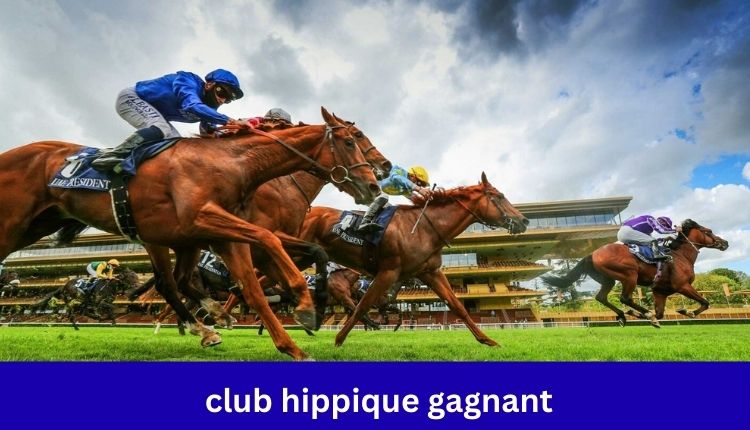
Together, this keyword often refers to equestrian environments associated with success, strong performance, and recognised traditions in equestrian sports. This topic is widely sought after by people interested in racing culture, equestrian training centres, competition clubs and international equestrian communities.
Equestrian clubs are not just about competitions. They are also centres of learning, training, animal care and sports ethics. In many countries, club equestrian institutions play a major role in training riders, maintaining horses, organising events and promoting equestrian values. Over time, successful clubs develop a reputation for being “gagnant” due to their track record of good results, disciplined systems and consistent performance.
This article examines what makes a riding club successful, how these clubs operate, why people seek out club hippique gagnant, and how equestrian sports influence global sports culture. It also explains why equestrian clubs are considered elite sporting communities and how they support both athletes and animals in a professional environment.
What Club Hippique Gagnant really means
In equestrian terminology, ‘club hippique gagnant‘ symbolises more than just victory. It features structured training, professional horse care, experienced coaching and competitive discipline. A successful riding club builds long-term systems that allow riders and horses to continually improve, not just win once.
Many riding clubs follow international training standards and emphasise technique, balance, communication with the horse and safety. These clubs are often linked to national federations and organise certified competitions. Over time, they become known for producing skilled riders who do well in many tournaments.
The reputation of a winning club usually develops from several important factors:
- A strong coaching team with competition experience
- Well-maintained training facilities and arenas
- Ethical horse care and veterinary support
- Structured rider development programs
- Participation in regional and international events
These clubs also focus on the long-term development of athletes rather than short-term results. Riders progress through different levels of training according to age, skill and discipline, such as show jumping, dressage or endurance riding.
Another important element is the community. Club members train together, travel and support each other during competitions. This environment creates the confidence and discipline necessary to succeed in equestrian sports. Many families, therefore, choose established riding clubs when introducing their children to riding.
In many regions, the phrase ‘club hippique gagnant’ is also used online to describe clubs that are often associated with podium finishes and championship participation. However, true success in equestrian sport is not only measured by consistent safety records but also by rider satisfaction and animal welfare standards.
How riding clubs train riders for consistent performance
Training is the basis of any successful riding club. Riders are taught step-by-step, starting with basic riding stance to advanced competition club hippique gagnant. A structured programme helps riders build confidence while learning how to properly communicate with their horses.
Training programmes typically follow progressive levels, including:
- Safety and balance while riding for beginners
- Intermediate control and movement techniques
- Advanced industry-specific training
- Competition simulation and performance coaching
Professional coaches play a central role in shaping the development of riders. They analyse posture, rhythm, speed control and reaction time. Video reviews and feedback are often used to help riders understand their mistakes and improve technique.
Physical fitness is also important. Many clubs include conditioning exercises such as stretching, balance exercises and basic strength training. This helps riders maintain control and reduce the risk of injury.
Another major goal is mental discipline. Riders learn to stay calm under pressure, manage competitive stress and make quick decisions while riding. Mental preparation becomes especially important in timed events or complex obstacle courses.
Equestrian clubs that gain a “gagnant” reputation usually offer:
- Individual training plans
- Small group coaching
- Performance monitoring systems
- Regular assessments and skill upgrades
These clubs also teach sportsmanship and responsibility. Riders learn to care for their horses, clean equipment and respect stable rules. This builds a sense of discipline that benefits both athletic performance and personal growth.
Consistent training schedules and proper rest periods ensure that horses are not overworked. Successful clubs understand that animal health directly affects competition results. Balanced training programmes help maintain long-term performance rather than short bursts of success.
The role of horse care support in winning clubs
No riding club can succeed without excellent horse care. Horses are elite athletes and their health, nutrition and comfort directly affect performance. That is why top clubs invest heavily in veterinary services and stable management systems.
Professional stables follow strict daily club hippique gagnant, including feeding, clipping and health monitoring schedules. Horses are regularly examined for muscle condition, hoof health and breathing capacity. Any small discomfort can reduce performance during training or racing.
Important elements of horse care include:
- Balanced nutrition plans
- Clean and safe stable environment
- Routine medical examinations
- Injury prevention programs
- Methods of regeneration after training
Veterinarians work closely with trainers to adjust the training load based on each horse’s physical condition. Advanced clubs can also use physiotherapy, massage and hydrotherapy for recovery.
Saddle fitting and equipment maintenance are also important. Ill-fitting equipment can cause discomfort and long-term injury. Winning clubs regularly inspect all riding equipment to ensure safety and comfort.
The mental health of horses is also taken seriously. Horses are social animals and require regular interaction and a quiet environment. Clubs that manage their stress levels correctly often achieve better results.
Ethical treatment of animals builds trust between rider and horse. This confidence leads to smoother movement, faster response times and fewer accidents. Successful clubs understand that long-term results depend on healthy and confident horses rather than pushing them beyond safe limits.
In modern equestrian sports, welfare standards are carefully monitored by international organisations.
Competitions Organised by Equestrian Clubs
Equestrian clubs do not only train riders; they also organize and host competitions that attract regional and international participants. These events are important for ranking, qualification, and exposure to higher-level competitions.
Clubs typically host:
- Local skill development tournaments
- Regional championship qualifiers
- Youth and junior competitions
- Professional invitational events
Event organisation requires large teams, including judges, medical staff, event coordinators, and safety officers. Proper course design, timing systems, and crowd management are necessary to maintain competition standards.
Successful clubs gain recognition because their events are well-managed and respected by official federations. Riders from other regions often travel to these clubs to compete and train.
Participation in frequent competitions helps club hippique gagnant improve decision-making and consistency. It also helps clubs build their competitive records, which contributes to the “gagnant” image associated with their name.
Spectator attendance and media coverage also play roles. Well-known clubs attract sponsors, which helps improve facilities and training equipment. This creates a cycle where success leads to better resources, and better resources lead to further success.
Clubs also provide opportunities for volunteers and young riders to learn about event management. This helps grow future professionals within the sport, including trainers, judges, and administrators.
By hosting safe and organised competitions, clubs strengthen their reputation and help develop the overall equestrian ecosystem in their regions.
Why Club Reputation Club hippique Gagnant
Reputation in equestrian sports is built slowly through years of consistent results, ethical practices, and professional conduct. Riders and parents often choose clubs based on past performance and safety records.
A strong club reputation helps with:
- Attracting experienced coaches
- Receiving sponsorship opportunities
- Getting invitations to major events
- Building partnerships with breeders and veterinarians
Riders who train at respected clubs often receive better exposure to national selection programmes. Scouts and federation officials frequently observe competitions hosted by established clubs.
However, reputation is not only about winning medals. It also includes how the club treats animals, supports young riders, and maintains safety standards. Clubs that prioritize welfare and education tend to have long-lasting success.
Social media and online platforms have increased public visibility. Training videos, competition results, and educational content help clubs reach global audiences. This digital presence contributes to keyword searches like club hippique gagnant, where users look for reliable and successful equestrian environments.
Clubs that communicate transparently and share training philosophies also build trust with their communities. This trust leads to stable membership and steady growth.
In equestrian culture, reputation is often passed through word of mouth. Families and riders share experiences, which strongly influences new members’ decisions. Therefore, maintaining positive daily operations is just as important as competition success.
Educational Youth Development in Equestrian Clubs
Youth training programmes are central to most equestrian clubs. Many riders begin training at very young ages, and proper instruction helps prevent injuries and build strong foundations.
Youth programmes usually include:
- Riding safety education
- Basic horse behaviour understanding
- Fitness and balance development
- Confidence-building exercises
Clubs often organise summer camps and weekend training sessions. These programmes combine fun activities with structured learning, keeping young riders motivated while improving skills.
Young riders are also taught responsibility, including stable chores and equipment care. This builds respect for animals and teamwork among peers.
Advanced youth programmes prepare riders for junior championships and national youth leagues. Coaches track progress carefully and gradually increase competition exposure to avoid burnout.
Educational workshops may also cover:
- Horse nutrition basics
- First aid for riders
- Sports psychology principles
- Career opportunities in the equestrian industries
Some riders later become professional trainers, veterinarians, or sports managers. Clubs that support education help create future leaders within the sport.
Successful youth programmes contribute greatly to a club’s long-term performance. Riders trained from early ages often develop strong technique and emotional control, which are critical in competitive riding.
By investing in education, equestrian clubs build sustainable success rather than relying on short-term competitive results.
Media, Technology, and Modern Training Methods
Modern equestrian clubs use technology to enhance training efficiency and safety. Video analysis, digital performance tracking, and smart equipment are becoming more common in professional environments.
Technology is used for:
- Reviewing jumping techniques
- Monitoring horse movement patterns
- Tracking training workloads
- Recording competition statistics
Video replay helps riders see mistakes clearly and improve posture and timing. Coaches can analyse slow-motion footage to adjust riding technique precisely.
Fitness tracking devices may be used to monitor heart rates of both riders and horses. This helps prevent overtraining and improves recovery planning.
Online scheduling systems also help manage training sessions, veterinary visits, and competition calendars. This improves organisational efficiency and communication.
Social media platforms allow clubs to share achievements, educational content, and event updates. This digital visibility contributes to growing interest in keywords related to equestrian success and winning clubs.
Virtual learning resources, such as webinars and instructional videos, help riders continue learning even outside physical training hours.
While tradition remains important in equestrian sports, modern tools support better safety, consistency, and performance tracking, helping clubs maintain competitive standards in global sports environments.
Cultural Importance of Club hippique Gagnant
Equestrian sports hold cultural value in many countries. From European riding academies to Middle Eastern endurance competitions and Asian horse festivals, equestrian clubs preserve traditions while promoting modern athletic development.
Clubs often participate in cultural festivals, exhibitions, and educational outreach programs. This helps introduce horse sports to broader audiences and promote respect for animal heritage.
In rural communities, equestrian clubs also support local economies by creating jobs and attracting tourism during major events. Hotels, restaurants, and transportation services benefit from competitive seasons.
International exchange programmes allow riders to train abroad and learn different riding styles. These help spread best practices and improve global cooperation in horse sports.
Cultural programmes may include:
- Traditional riding demonstrations
- Horse care education workshops
- School outreach activities
- Community riding days
By engaging with society, equestrian clubs strengthen their social role beyond competition. This public engagement also helps maintain long-term public support for equestrian sports.
When people search for terms like club hippique gagnant, they are often interested in not only performance but also prestige and heritage. Successful clubs often represent both sporting excellence and cultural tradition.
Conclusion
The concept of club hippique gagnant represents more than just winning competitions. It reflects strong training systems, ethical horse care, educational programmes, and cultural responsibility. Successful equestrian clubs build long-term excellence through discipline, teamwork, and respect for animals.
From structured rider development and veterinary support to youth education and international competitions, winning clubs create environments where both riders and horses can thrive. Technology and media further enhance training and global visibility, while cultural involvement strengthens community connections.
True success in equestrian sport is measured by consistency, safety, education, and integrity, not just trophies. That is why equestrian clubs with strong reputations continue to attract riders, families, and supporters from around the world.
FAQs
What does ‘club hippique gagnant’ mean?
It refers to a successful or winning equestrian club known for strong performance, good training systems, and positive competition results.
Do equestrian clubs only focus on competitions?
No. They also focus on training, education, horse welfare, community programmes, and long-term athlete development.
Why is horse care so important in equestrian clubs?
Healthy horses perform better, avoid injuries, and develop strong trust with riders, which improves safety and consistency.
Can beginners join equestrian clubs?
Yes. Most clubs offer beginner programmes with safety-focused training and gradual skill development.
Are equestrian clubs involved in youth education?
Yes. Many clubs run youth programmes, camps, and junior competitions to develop future riders responsibly.
How do clubs build strong reputations?
Through consistent performance, ethical practices, quality training, safety standards, and positive community engagement.