Carte du Burkina Faso
Understanding its geography is essential to understanding the strategic and cultural significance of the region. The country covers an area of approximately 272,967 square kilometres, which is slightly smaller than Italy. The Carte du Burkina Faso consists primarily of savanna, with some scattered forests in the southwest, and is characterised by mostly flat terrain with occasional low hills.
An overview of Burkina Faso and its geography
The capital, Ouagadougou, is located near the centre of the country and serves as a political, cultural, and economic centre. Bobo-Dioulasso, the second largest city, lies to the west and functions as a key economic and transport hub. A country’s geographic location, combined with its landlocked nature, affects trade, migration, and cross-border relations.
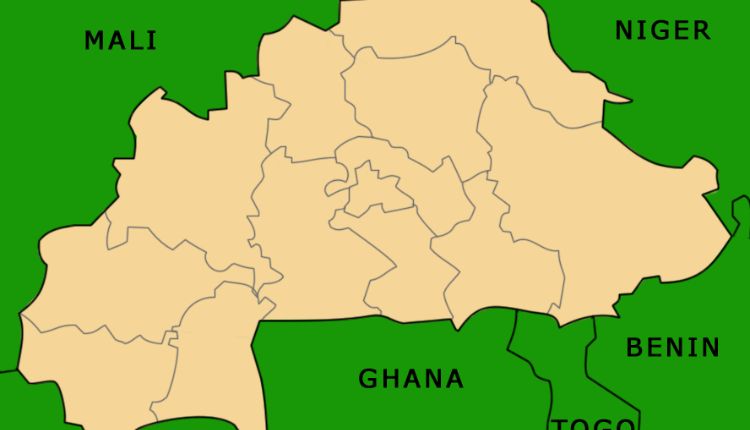
When studying the carte du Burkina Faso, one can observe the division into 13 regions, which are further divided into 45 provinces and numerous departments. These administrative divisions are important for administration, resource allocation and development planning. The map also shows large rivers such as the Nakambe and Mouhoun, which play a vital role in agriculture and water supply. Understanding these geographic details through a detailed map helps researchers, travellers, and investors make informed decisions about the region.
Administrative division of carte du Burkina Faso
Burkina Faso is organised into a hierarchical system of administrative divisions that include regions, provinces, and departments. The country’s 13 regions are the largest administrative unit and are named after geographical and cultural landmarks. Some of the most prominent regions include the Centre, Hauts-Bassins, and the Sahel. Each region has a regional capital that coordinates local government activities and ensures the compliance of development projects with national policy.
45 provinces within these regions provide more localised administration. The provinces are responsible for education, healthcare and local infrastructure. Each province is further divided into departments, which often coincide with urban and rural municipalities. These smaller divisions enable precise management of community development resources and programmes.
When analysing the carte du Burkina Faso, the administrative boundaries are clearly marked, offering insight into population distribution, economic activity and cultural diversity. The map serves as an essential tool for government officials, NGOs and international organisations working in Burkina Faso. It helps them identify regional needs, plan logistics, and track progress effectively.
- Regions: 13
- Province: 45
- Department: Numerous subdivisions
Understanding the administrative division is key to understanding how Burkina Faso works politically and socially, and a map is the easiest way to visualise this structure.
Large Cities and Urban Centers
Burkina Faso has several important urban centres that are essential to the country’s economy, culture and infrastructure. The capital, Ouagadougou, hosts the main government institutions, universities and cultural centres. Bobo-Dioulasso, the second largest city, is a historic commercial center known for its music and architecture. Koudougou and Banfora are other notable towns that contribute to the agricultural and commercial activities of the country.
Urban areas in Burkina Faso are also where most of the population lives. According to recent estimates, approximately 30% of the population lives in urban centres, while the rest live in rural areas. Carte du Burkina Faso shows these cities and shows road networks, airports and other infrastructure connections. Understanding urban layout is essential for investors, tourists and government planning.
- Ouagadougou: Capital, political center, largest population
- Bobo-Dioulasso: Economic center, cultural importance
- Koudougou: Industrial and Agricultural Centre
- Banfora: Tourist attractions, natural beauty
Maps detailing these cities are essential for anyone who wants to travel, study or do business in Burkina Faso. They provide clear visual guidance for navigation, logistics and understanding urban development.
Natural Landscapes and Tourist attractions
Burkina Faso’s natural landscape is diverse and offers picturesque savannahs, rivers and wildlife reserves. The country is home to several national parks, including the Arli National Park and the W National Park, which are essential for preserving biodiversity. Rivers such as the Black Volta and the White Volta provide water resources essential for agriculture, fishing and daily life.
Tourist attractions in Burkina Faso are often highlighted on the carte du Burkina Faso, making it easier for visitors to plan their trips. The town of Banfora is famous for the Cascades de Karfiguéla, a stunning series of waterfalls surrounded by lush greenery. Sindou Peaks, located in the southwest, offers hiking opportunities and breathtaking views of the savannah.
- Arli National Park: Wilderness and Safari Experiences
- W National Park: UNESCO World Heritage Site
- Cascades de Karfiguéla: Waterfalls and scenic beauty
- Sindou Peaks: Tourism and Natural Landscapes
The map not only shows these places but also shows the roads, rivers, and surrounding communities, helping tourists navigate safely while exploring the natural beauty of Burkina Faso.
Transport and Infrastructure
Transport in carte du Burkina Faso is essential for trade, travel and economic development. The country has an extensive road network connecting major cities, towns and villages. While highways are well-maintained in urban areas, rural roads can be challenging during the rainy season. Burkina Faso also has two main international airports: Ouagadougou International Airport and Bobo-Dioulasso Airport, which facilitate air travel within and outside of Africa.
Rail networks exist but are limited, primarily supporting freight. Rivers and waterways, although not navigable for large vessels, provide access to water for agriculture and small fishing communities.
Carte du Burkina Faso indicates key transport routes, including highways, railways and airports. This is invaluable for logistics companies, tourists and government planning. Bullets make it easier to identify traffic nodes on the map:
- The main road connecting the cities
- Railway tracks for freight transport
- International airport
- Rivers for small traffic
A clear map of Burkina Faso’s infrastructure allows for smoother planning of commercial activities as well as personal travel.
Climate and Environmental Conditions
Burkina Faso experiences a tropical climate characterised by distinct wet and dry seasons. The rainy season generally lasts from May to September and brings essential water for crops and replenishes rivers.
Environmental challenges include desertification in the northern Sahel region and deforestation in the southwest. Understanding the climate through the carte du Burkina Faso, which can show rainfall patterns, vegetation zones, and soil types, helps farmers, researchers, and policymakers manage resources effectively.
- Rainy season: May to September, crucial for agriculture
- Dry season: October to April, high temperatures and wind
- Challenges: Desertification, deforestation, soil erosion
- Opportunities: Irrigation, sustainable agricultural practices
Maps that include climate data allow stakeholders to anticipate problems and optimise land use for agriculture, nature conservation and urban planning.
Cultural and Ethnic Diversity
Carte du Burkina Faso is home to more than 60 ethnic Carte du Burkina Faso groups, each contributing to the country’s rich cultural tapestry. The Mossi are the largest ethnic group, living mainly in the central region. Other groups include the Fulani, Bobo, and Lobi, each with unique traditions, languages, and cultural practices.
The Carte du Burkina Faso often highlights the regions where Carte du Burkina Faso these ethnic groups predominate, providing researchers and tourists with a glimpse of cultural diversity. Traditional festivals, music and crafts are an integral part of social life, with urban centres such as Ouagadougou hosting cultural events that attract visitors from all over the world.
- Mossi: Largest ethnic group, central Burkina Faso
- Fulani: nomadic pastoralists, northern regions
- Bobo: Southwestern Cultural Practices
- Lobi: Known for unique art and village architecture
Understanding these cultural landscapes through a map provides context for social interactions, tourism planning, and academic studies.
Economic Activities and Resources
Burkina Faso’s economy depends heavily on agriculture, mining and trade. Major crops include millet, sorghum, maize and cotton. Gold mining is gaining importance and contributes significantly to export earnings. The Carte du Burkina Faso often indicates regions with mineral resources, agricultural zones and key markets.
- Agriculture: Millet, sorghum, corn, cotton
- Mining: Gold and other minerals
- Trade hubs: Ouagadougou, Bobo-Dioulasso
- Emerging industries: Renewable energy, crafts
Mapping economic resources enables investors and policymakers to identify opportunities for growth, plan infrastructure, and effectively manage resource allocation. By visualizing Burkina Faso’s economic environment, stakeholders can make informed decisions for sustainable development.
Conclusion
Carte du Burkina Faso is an essential tool for Carte du Burkina Faso understanding the country’s geography, administrative divisions, cities, natural landscape, infrastructure, climate, culture and economy. Whether you are a tourist, researcher, policymaker, or investor, a detailed map will help you effectively navigate and understand Burkina Faso. Maps combine visual representation with important data, making them indispensable for planning, development and exploration.
Frequently asked questions
Q1: What is the capital of Burkina Faso?
A1: Ouagadougou is the capital of Burkina Faso and its largest urban center.
Q2: How many regions are there in Burkina Faso?
A2: Burkina Faso is divided into 13 regions, which are further divided into 45 provinces.
Q3: What are the main natural attractions in Burkina Faso?
A3: Main attractions include Arli National Park, W National Park, Cascades de Karfiguéla and Sindou Peaks.
Q4: Which ethnic group is the largest in Burkina Faso?
A4: The Mossi people are the largest ethnic group living mainly in central Burkina Faso.
Q5: What are the main economic activities?
A5: The economy is dominated by agriculture, gold mining, trade and Carte du Burkina Faso emerging sectors such as renewable energy and crafts.