Commercial
The HVAC industry has long been known for steady work and strong demand, but many people now ask a bigger question. Can you really earn six figures in commercial hvac, or is that just a rumor passed around trade schools and job sites? The short answer is yes, but the long answer depends on the path you choose, the skills you build, and how far you are willing to go beyond entry-level work.
If you are exploring opportunities locally, reviewing real-world examples from providers like hvac rhode island helps you understand how regional demand, specialization, and experience shape earning potential. Market size, commercial density, and service complexity all influence income in ways residential work often cannot match.
What Commercial HVAC Actually Includes
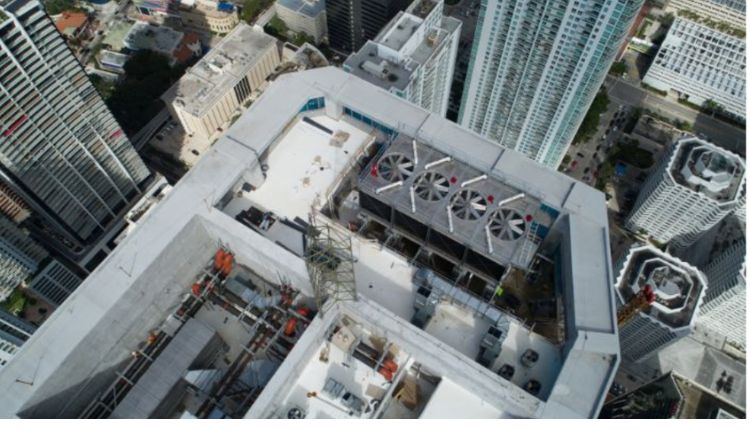
Commercial systems are larger, more complex, and more demanding than residential setups. They serve office buildings, hospitals, schools, industrial facilities, and large retail spaces. Technicians work with rooftop units, chillers, boilers, cooling towers, and advanced control systems. Because of this complexity, commercial HVAC requires deeper technical knowledge and stronger diagnostic skills.
This higher level of responsibility is one reason pay scales rise faster in commercial roles. Employers value technicians who can keep mission-critical systems running and respond quickly when failures threaten business operations.
Entry Level Pay Versus Growth Potential
Most technicians do not start at six figures. Entry-level commercial HVAC roles typically start higher than residential positions, but the real difference emerges after a few years of experience. As technicians gain certifications, learn advanced systems, and prove reliability, compensation increases steadily.
Unlike many careers, HVAC pay is not capped early. The more problems you can solve and the more systems you understand, the more valuable you become. This performance-based growth is what opens the door to higher income brackets.
Pay Paths That Lead to Six Figures
There are several routes to six-figure earnings. Senior service technicians who specialize in complex diagnostics often reach that level through hourly pay plus overtime. Large facilities do not shut down at five o’clock, and experienced techs who handle emergency calls are compensated accordingly.
Another path is leadership. Supervisors, project managers, and lead technicians in commercial HVAC often earn higher salaries because they manage teams, timelines, and client relationships. Sales engineering and system design roles also offer strong earning potential for those who combine technical skill with communication.
Commercial Versus Residential HVAC Pay
Residential HVAC can provide a comfortable living, but commercial work typically pays more over time. Commercial clients value uptime, compliance, and long-term service contracts. That stability supports higher wages and better benefits.
In commercial hvac, jobs are less seasonal and less dependent on homeowner budgets. This consistency allows technicians to build predictable income and advance more strategically than in residential service roles.
Stress, Physical Demands, and Reality
Higher pay in commercial HVAC often reflects the level of responsibility and difficulty that comes with the job. Commercial systems are larger, more intricate, and far more demanding than most residential setups. Technicians may work on massive rooftop units, complex boiler systems, chillers, cooling towers, and advanced ventilation systems that serve entire buildings. These environments are not always comfortable. Work can take place in extreme heat, freezing temperatures, tight mechanical rooms, or elevated areas that require strict safety procedures.
The physical demands are real. Lifting heavy motors, compressors, and equipment parts requires strength and proper technique. Climbing ladders, navigating rooftops, and standing for long hours are routine parts of the job. Over time, technicians must take care of their bodies through proper safety practices, stretching, and conditioning to maintain long-term career sustainability.
Beyond the physical side, the mental load can be significant. Commercial systems often involve advanced electrical components, building automation controls, and integrated energy management systems. Diagnosing issues may require analyzing wiring diagrams, control sequences, airflow dynamics, and refrigeration cycles simultaneously. A single issue can have multiple possible causes, and finding the root problem demands patience and critical thinking.
Skills That Increase Earning Power
Certifications, control system training, and manufacturer-specific expertise all increase value. Technicians who understand energy management systems or advanced refrigeration often command higher wages.
Soft skills matter too. Clear communication, documentation, and customer trust play a major role in advancement. In commercial hvac, reputation travels fast within facility management networks.
Is Six Figures Realistic Long Term
Six-figure income is realistic, but it is not automatic. It requires commitment, continued education, and willingness to take on responsibility. Those who treat the trade as a long-term profession rather than a job see the greatest rewards.
Commercial HVAC rewards consistency and skill development more than quick shortcuts. The path may take time, but the ceiling is far higher than many expect.
Conclusion
Six-figure earnings in commercial HVAC are achievable through specialization, leadership, and long-term commitment. Understanding the different pay paths helps you choose a direction that aligns with your goals. For professionals and businesses seeking trusted expertise and career growth opportunities, Rhode Island HVAC Services stands as a reliable partner in a demanding and rewarding industry.