Lionel Messi PSG
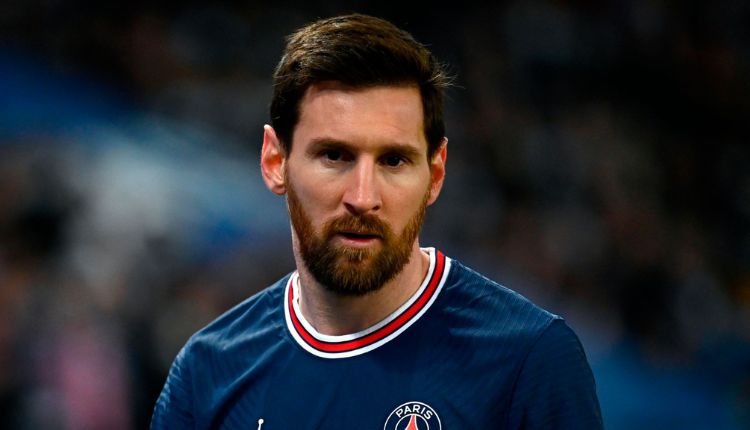
After more than two decades at FC Barcelona, Lionel Messi PSG emotional departure to PSG marked the end of an era and the beginning of a new chapter in Paris. Fans around the world have been eagerly anticipating how the Argentine superstar will adapt to the new league, teammates and environment.
Introducing the Lionel Messi era of PSG
Lionel Messi PSG on a free transfer due to Barcelona’s financial crisis, signing a two-year contract with an option for a third year. The move put together a star-studded line-up with Neymar Jr. and Kylian Mbappé, forming one of the most exciting attacking trios in the history of football.
At PSG, Messi faced new challenges, including adapting to the physical style of Ligue 1 and different tactical approaches. Unlike his time at Barcelona, where he was a central figure, Messi had to share duties with other elite players. This transition required time, patience and tactical adjustments.
Despite the initial problems, Messi gradually found his rhythm and began to contribute significantly to PSG’s success. His vision, passing ability and goal-scoring instincts added a new dimension to the team’s attacking play.
Key moments of Messi’s move to PSG include the following:
- Free transfer from Barcelona
- Partnership with Neymar and Mbappé
- Entry into the Ligue 1 competition
- Global attention and increased popularity of PSG
This era not only reshaped PSG’s identity but also demonstrated Messi’s adaptability and professionalism in a new footballing environment.
Messi’s first season at PSG: Challenges and Adaptations
Lionel Messi PSG was a period of adjustment. After spending his entire professional career at Barcelona, adapting to a new league and system proved difficult. His performance in the first few months was below his usual high standards, leading to criticism from fans and analysts.
One of the main problems Messi faced was adapting to the physicality and pace of Ligue 1. Unlike La Liga, the defenders in France played more aggressively and limited Messi’s space and time on the ball. Additionally, PSG’s tactical set-up did not solely revolve around him, which was a significant shift from his Barcelona days.
Despite these challenges, Messi has shown flashes of Lionel Messi PSG brilliance. He contributed crucial assists and goals in both domestic and European competitions. His chemistry with his teammates, especially Mbappé, began to improve over time.
Some key aspects of his first season include:
- He struggles with consistency
- Lower number of goals scored compared to previous seasons
- Strong performances in the UEFA Champions League
- Gradually improving teamwork
Messi finished the season with modest statistics but played a vital role in PSG’s Ligue 1 title win. While it wasn’t his best season individually, it laid the foundation for a stronger comeback the following year.
Brilliance of the Second Season: Messi’s return
Lionel Messi PSG was a complete turnaround. After a year of adaptation, he returned to top form and showed why he is considered one of the greatest players of all time. His confidence, fitness and understanding of the team have improved significantly.
This season, Messi has become a key playmaker for PSG. He constantly provided assists and scored important goals. His link-up with Mbappé has reached new heights, creating one of the most dangerous attacking partnerships in Europe.
Messi’s improved performance can be attributed to:
- Better tactical understanding
- Increased safety and comfort
- Stronger chemistry with teammates
- Freedom to play your natural game
- Highlights this season include:
- High number of assists in Ligue 1
- Consistent performances in winning matches
- Leadership on and off the field
- Contribution to PSG’s attacking superiority
This season reminded fans of Messi’s true abilities. His dribbling, passing accuracy and footballing intelligence were once again at their peak and proved that he could succeed outside of Barcelona.
Messi, Neymar, and Mbappé: The iconic Trio
One of the most interesting aspects of Lionel Messi PSG journey has been the formation of an attacking trio with Neymar and Mbappé. Known as the “MNM” trio, this combination brought tremendous creativity, speed, and goal-scoring ability.
Each player brought unique characteristics:
- Messi: Vision, playmaking, and control
- Neymar: Flair, dribbling, and creativity
- Mbappé: Speed, finishing, and movement
Together, they created numerous scoring opportunities and dominated the opposition in Ligue 1. Their chemistry improved over time, leading to spectacular performances.
However, the trio also faced challenges:
- Defensive imbalance
- Necessary tactical adjustments
- Occasional lack of cohesion
Despite these issues, the trio provided memorable moments and exciting matches for fans around the world. Their combined talent has made PSG one of the most entertaining teams to watch.
Lionel Messi PSG global brand
Lionel Messi PSG had a huge impact off the football field as well. Its worldwide popularity has greatly increased the club’s brand value, fan base and commercial success.
PSG experienced a surge:
- Social media followers
- Sale of goods
- Global recognition
- Sponsorship offers
Messi’s jerseys became the best sellers worldwide and PSG gained millions of new fans. The club’s matches attracted higher viewership, increasing its global influence.
Messi’s professionalism and humility off the pitch also positively influenced the team’s culture. His presence raised PSG’s status among the elite football clubs.
The commercial benefits of Messi’s signing included:
- Increased revenue streams
- Expanded marketing opportunities
- A stronger international presence
This transformation highlighted Messi’s value not only as a player but also as a global icon.
Expectations and Realities of the Champions League
One of Lionel Messi PSG main goals after signing Messi was to win the UEFA Champions League. Despite having a star-studded club, they have faced disappointment during Messi’s tenure in Europe.
PSG put in strong performances in the group stages but struggled in the knockout rounds. Key issues included:
- Defense Vulnerability
- Lack of consistency
- Tactical flaws
Messi put in some outstanding performances, including key goals and assists, but the team failed to reach their ultimate goal.
Challenges facing the Champions League:
- Tough competition from elite clubs
- Pressure and expectations
- Problems with team coordination
Despite these setbacks, Messi’s individual contributions have been commendable. His experience and skills have added value, but football is a team game and PSG collectively fall short.
Messi’s Evolution of Playing Style at PSG
At Lionel Messi PSG, Messi’s playing style has evolved significantly. Unlike his role at Barcelona, where he was the main goalscorer, he has adapted to a deeper playmaking role.
Key changes in his style included:
- Focus more on assists
- You can control the game more deeply
- Reduced dependency on tempo
- Greater engagement with building play
This development showed Messi’s versatility and football intelligence. He became a complete playmaker, dictating the tempo and creating opportunities for teammates.
Benefits of this new role:
- Better team balance
- Enhanced creativity
- Increased influence in midfield
Despite these changes, Messi continued to score important goals, demonstrating his ability to adapt and excel in different roles.
Lionel Messi PSG and Legacy
Lionel Messi PSG ended in 2023 when he decided not to renew his contract. Despite mixed opinions about his time in Paris, his overall contribution remains significant.
Achievements at PSG:
- Ligue 1 titles
- Improved team performance
- Global brand expansion
Although he did not win the Champions League with PSG, his presence raised the club’s stature and produced memorable moments.
Reasons for his departure include:
- Desire for a new challenge
- Personal and professional considerations
- Changing team dynamics
Messi left PSG as a respected figure, having contributed both on and off the pitch. His legacy includes inspiring teammates, entertaining fans, and enhancing the club’s global reputation.
Conclusion
Lionel Messi PSG was a unique chapter in his legendary career. It was a journey full of challenges, adaptations and moments of brilliance. While it did not repeat the success of his Barcelona era, it demonstrated his ability to develop and perform at the highest level in a new environment.
From a slow start to a remarkable comeback, Messi has shown his resilience and professionalism. His partnership with Neymar and Mbappé created unforgettable memories and his influence extended beyond football into global branding and marketing.
Although PSG fell short of Champions League glory during Lionel Messi PSG his time in the Champions League, Messi’s contributions remain valuable. His time in Paris will be remembered as a period of transformation, both for the player and the club.
Frequently asked questions
- When did Lionel Messi join PSG?
Lionel Messi PSG in August 2021 after leaving Barcelona.
- How many seasons did Messi play for PSG?
He played two seasons (2021-22 and 2022-23).
- Has Messi won any trophies with PSG?
Yes, he won Ligue 1 titles with the club.
- How did Messi do at PSG?
He had a slow first season but did exceptionally well in his second season.
- Why did Messi leave PSG?
He left due to personal decisions and a desire for a new challenge.
- What was the MNM trio like?
It referred to Messi, Neymar, and Mbappé playing together at PSG.
- Did Messi win the Champions League with PSG?
No, PSG did not win the Champions League during his time.
- What impact did Messi have on PSG?
He has significantly strengthened the club’s global brand, performance and fan base.