Travel
Travel patterns change every few years. Sometimes the change is driven by technology, sometimes by global events, and sometimes simply by travelers becoming more experienced and wanting something different. In 2026 Armenia is gradually appearing on the radar of people who are looking for destinations that feel authentic, not overcrowded, and still relatively undiscovered. What makes the country particularly interesting today is that it offers a mix of history, nature, food culture, and small-scale experiences that fit perfectly with several travel trends that are shaping the way people travel now.
One noticeable shift in tourism is the growing interest in slower, more flexible travel. Many visitors no longer want tightly scheduled group tours where every hour is planned in advance. Instead, they prefer smaller private trips where the program can adapt to their mood and interests. Armenia works very well for this format because distances are manageable and the landscape changes quickly. Within a few hours it is possible to move from the capital city to forests, mountain valleys, or lakeside villages. For travelers who prefer to explore at their own pace, many choose to arrange customized experiences with local operators who specialize in private tours in Armenia, where the itinerary can easily include nature, culture, food, or simply time to relax between locations.
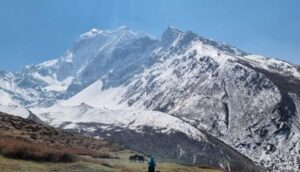
Another trend that continues to grow is travel connected with nature and fresh air. After years of fast city travel, many tourists are actively searching for places where they can disconnect for a few days. Armenia’s geography makes this surprisingly easy. Mountain regions, forest areas, and open landscapes are often less than two hours away from Yerevan, which means visitors can combine city life with nature without long travel days.
Dilijan is one of the places that benefits from this trend the most. Often called the “green heart” of Armenia, the town sits inside a forested region that feels very different from the capital. Visitors come here for quiet walks, cooler mountain air, and the relaxed rhythm of small town life. Boutique hotels, guesthouses, and small restaurants have slowly developed in the area, making it a comfortable place to stay for several days rather than just a short stop. Travelers who enjoy hiking or simply want to spend time outdoors often extend their stay once they arrive.
Lake Sevan is another destination that continues to attract attention, but the way people visit it is slowly changing. In the past many tours treated the lake as a quick stop on a longer route. Today more travelers prefer to stay longer, enjoy lakeside restaurants, try local fish dishes, or simply walk along the shore. In the early morning the lake has a calm atmosphere that surprises many first-time visitors, especially those who are used to crowded beach destinations.
Food tourism is also becoming a strong reason to travel to Armenia. The country’s cuisine has always been an important part of local culture, but recently more travelers are discovering it as a central part of their trip. Instead of only visiting famous restaurants, visitors increasingly look for small family kitchens, village bakeries, and local markets. Simple experiences such as tasting freshly baked lavash, trying homemade preserves, or joining a traditional barbecue in the countryside often become highlights of the journey.
Wine and brandy tourism is another area quietly gaining momentum. Armenia has one of the oldest winemaking traditions in the world, and in recent years several small wineries have started opening their doors to visitors. Wine tastings, vineyard walks, and short countryside escapes are becoming a natural addition to cultural itineraries, especially for travelers who prefer relaxed experiences rather than long museum visits.
Some emerging destinations are also beginning to attract attention. The area around Amberd Fortress, located on the slopes of Mount Aragats, is one example. The scenery is dramatic, the air is fresh, and the region remains relatively peaceful compared to more visited landmarks. Several mountain hotels nearby allow visitors to spend a quiet evening with views of the surrounding landscape, swim in a pool, or simply enjoy the silence of the mountains. For travelers who want to step away from busy tourist areas, places like Amberd offer a very different side of Armenia.
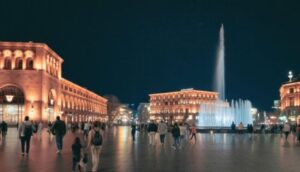
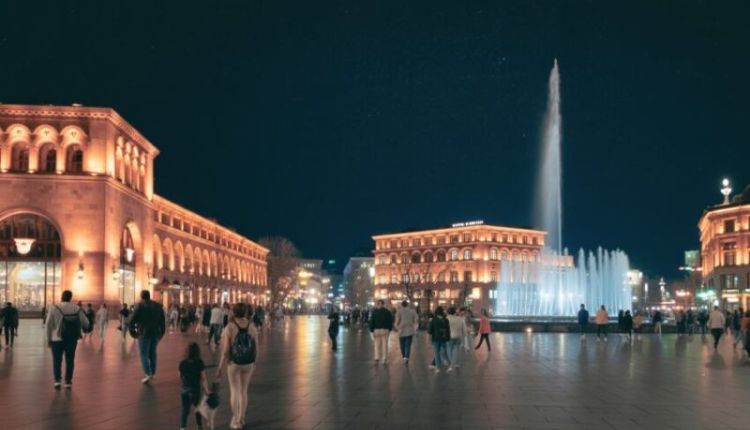
Yerevan itself continues to evolve as a destination. The city has always been known for its cafés, open squares, and lively evening atmosphere, but in recent years more small galleries, wine bars, and local design shops have appeared. Visitors often discover that the best way to experience the city is simply to walk without a strict plan, moving between neighborhoods, parks, and cafés while observing everyday life.
Looking toward 2026, Armenia’s tourism growth will likely continue in a quiet and steady way. The country does not aim to become a mass tourism destination, and that may actually be its biggest advantage. Travelers who come here often appreciate the sense that the experience still feels genuine and unhurried.
For many visitors the appeal of Armenia lies in this balance. Ancient monasteries stand beside modern cafés, mountain roads lead to small villages, and conversations with locals often become as memorable as the landscapes themselves. As travel trends move toward authenticity, flexibility, and meaningful experiences, Armenia is gradually becoming one of the destinations that fits naturally into this new way of exploring the world.