Foundation
A foundation inspection often begins with a subtle concern, such as a small wall crack, uneven flooring, or a door that suddenly sticks. While these signs may seem minor, they often point to movement below the surface. For many homeowners, the inspection process brings a mix of relief and uncertainty. Knowing what inspectors look for and how repair costs are determined makes the process far less stressful.
Homeowners who want reliable answers often turn to experienced providers such as foundation repair georgetown to better understand inspection findings and what steps typically follow. The inspection itself is only the first part of the process. What happens after the evaluation often has a much greater impact on long-term costs and structural safety.
The purpose of foundation inspection and repair is to uncover risks early and define the right corrective strategy. A proper inspection does not focus solely on visible cracks. Instead, it evaluates the structure as a whole, identifying patterns of movement and the conditions that gave rise to them.
What Inspectors Evaluate During a Foundation Inspection
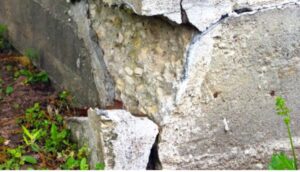
A professional inspection usually begins with a thorough visual assessment of the home’s interior and exterior. Inspectors examine walls, floors, ceilings, basements, crawl spaces, and slab surfaces for signs of movement. Measurements are often taken to identify elevation changes that indicate settling or shifting.
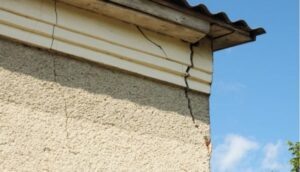
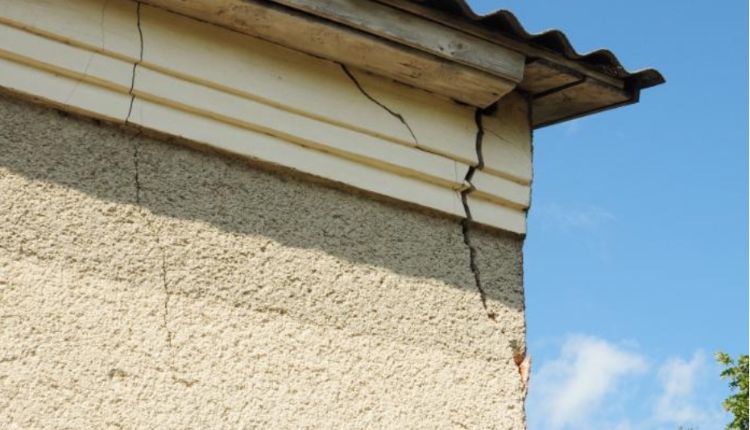
Inspectors also look for consistency. A single crack may be harmless, but multiple cracks forming in similar areas often suggest active movement. Misaligned doors and windows, sloping floors, and gaps along trim are all clues used during a foundation inspection and repair evaluation. The goal is to determine whether the structure is stable or continues to move.
How Inspection Findings Influence Repair Costs
Inspection results directly shape repair recommendations and pricing. Minor issues such as hairline cracks or slight settling may only require monitoring or small reinforcements. More serious findings, such as sinking supports, structural separation, or moisture damage, typically require more involved repairs.
Several factors influence cost after an inspection. The type of foundation, size of the home, and accessibility of the problem area all play a role. Crawl spaces with limited clearance or basements with finished walls can increase labor time. These variables explain why foundation inspection repair costs vary so widely between homes with similar symptoms.
Common Repairs Recommended After an Inspection
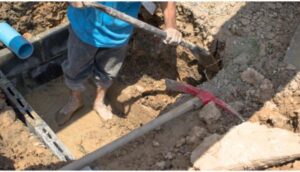
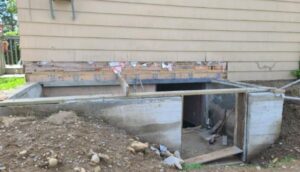
Once the inspection is complete, a repair plan is developed based on severity and risk. Common recommendations include installing piers to stabilize settling areas, reinforcing beams or supports, anchoring walls, or installing moisture-control systems.
The focus is always on long-term performance. Effective foundation inspection repair solutions address the underlying cause rather than masking surface damage. This approach helps prevent recurring problems and reduces the likelihood of future repairs.
Moisture and Drainage as Cost Drivers
Water is one of the most common contributors to foundation problems. Poor drainage, plumbing leaks, or high humidity can weaken soil and structural components. When moisture issues are present, repair plans often include drainage improvements or waterproofing measures.
Addressing water problems early helps control costs. Ignoring moisture allows damage to spread, increasing the scope of foundation inspection and repair work needed later. Managing water flow around and beneath the home is often a key part of long-term stability.
Insurance and Foundation Inspection Repair Considerations
Insurance coverage for foundation damage depends largely on the cause. Sudden events may qualify for coverage, while gradual settlement or soil movement often does not. Inspection documentation plays an important role when determining eligibility.
Even when insurance does not apply, a professional foundation inspection and repair plan provides clarity. It allows you to prioritize repairs and plan financially rather than reacting to unexpected damage.
Inspection Results During Buying or Selling
Foundation inspection findings can significantly affect real estate transactions. Buyers may request repairs or negotiate pricing based on inspection reports. Sellers often choose to address issues upfront to avoid delays or deal cancellations.
Homes with clear inspection documentation and defined foundation inspection repair plans typically move through transactions more smoothly. Transparency reduces uncertainty and builds confidence for all parties involved.
Why Delaying Repairs Increases Long-Term Costs
Putting off recommended repairs often leads to more extensive damage. Structural movement can stress framing, plumbing, and finishes throughout the home. Over time, minor issues grow into larger structural concerns.
Early action keeps repairs focused and manageable. Inspections provide the most value when they lead to timely decisions rather than prolonged waiting.
Conclusion
Foundation inspections provide insight, but what happens afterward determines the outcome. Understanding repair costs, contributing factors, and next steps helps you make confident decisions. When addressed early and correctly, foundation inspection and repair protect both structural integrity and long-term property value.
For dependable evaluations and repair solutions built on experience and transparency, Georgetown Foundation Repair Pros offers guidance from inspection through completion