Foundation
Cracks in a foundation can feel alarming, especially when they appear without warning. Some cracks stay small and stable, while others signal deeper structural movement below the home. The challenge for most homeowners is knowing which cracks matter, how much repairs actually cost, and whether fixing them is truly worth the investment.
Many homeowners start their research by contacting a trusted foundation repair company in Georgetown, TX, to determine the type of crack they are dealing with and what the next steps are. A professional evaluation often brings clarity to a situation that initially feels uncertain.
At its core, foundation crack repair is about restoring stability and preventing future damage. Costs vary widely because no two cracks form for the same reason. The size of the crack, its location, and whether movement is ongoing all play a role in determining the right solution and overall value.
What Causes Foundation Cracks
Foundation cracks usually form due to changes below the surface. Soil expansion and contraction, moisture imbalance, and natural settling all place stress on the foundation over time.
Hairline cracks often develop as concrete cures or during minor seasonal movement. Larger cracks may result from shifting soil, poor drainage, or changes in structural loads. Understanding the cause is essential because it directly influences the scope and cost of foundation crack repair.
Types of Foundation Cracks and Their Impact
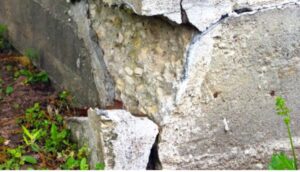
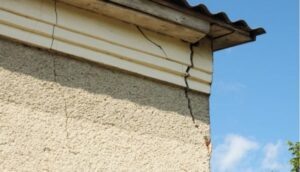
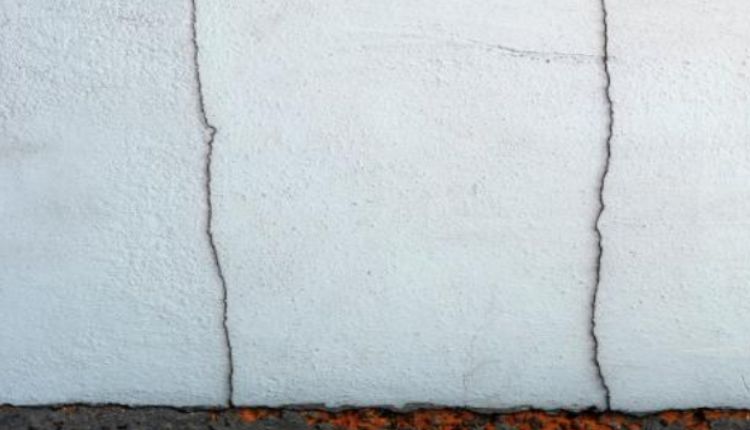
Not all cracks carry the same level of risk. Vertical cracks are often linked to settling and may be less concerning if they are narrow and stable. Horizontal cracks typically indicate pressure from surrounding soil and often require more urgent attention.
Stair-step cracks in block or brick foundations suggest uneven settling and may worsen if left untreated. Identifying whether a crack is cosmetic or structural helps determine if foundation crack repair is preventative or critical.
What Drives the Cost of Foundation Crack Repair
Several factors influence pricing. Crack width and length matter, but location matters just as much. Cracks in accessible areas are generally easier to repair than those hidden behind walls or below grade.
If moisture intrusion is present, repairs may include sealing, waterproofing, or drainage improvements. Structural cracks often require reinforcement methods such as epoxy injection, carbon fiber supports, or pier systems. These variables explain why foundation crack repair costs can range from relatively simple to more involved solutions.
Repair Methods and Their Value
Different repair methods serve different purposes. Epoxy and polyurethane injections seal cracks and block moisture intrusion. These are effective for non-structural cracks and help protect the foundation from further deterioration.
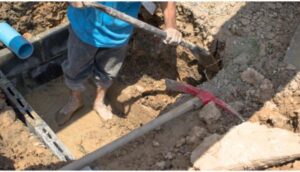
For structural movement, reinforcement is necessary. Carbon fiber straps or steel supports stabilize the wall and prevent crack expansion. In more advanced cases, foundation crack repair may include stabilizing the foundation itself to address ongoing movement rather than just sealing visible damage.
Is Foundation Crack Repair Worth the Cost
Many homeowners hesitate when weighing repair costs against perceived risk. The value of foundation crack repair lies in long-term protection. Addressing cracks early helps prevent water damage, structural stress, and costly secondary repairs to floors, walls, or plumbing.
Homes with unresolved foundation issues often face reduced property value and inspection challenges during resale. Repairing cracks improves buyer confidence and reduces negotiation setbacks. When viewed as a preventative investment, foundation crack repair often costs far less than the damage caused by delaying action.
Insurance and Foundation Crack Repair
Insurance coverage for foundation cracks is often misunderstood. Most homeowners assume damage to the foundation is automatically covered, but policies usually focus on the cause rather than the result. Cracks linked to sudden events, such as accidental plumbing failures or specific covered incidents, may be covered. Cracks caused by long-term soil movement, settling, or moisture imbalance are commonly excluded because they are considered gradual conditions rather than sudden damage.
This is where documentation becomes critical. A professional inspection creates a clear record showing the type of crack, its severity, and the likely cause. Detailed reports and photos help insurers determine whether a claim meets policy terms. Without proper documentation, foundation crack repair claims are more likely to be delayed or denied.
Even when insurance does not apply, professional guidance still provides value. An experienced foundation specialist helps homeowners understand which cracks pose a real structural risk and which ones can be monitored. This prevents unnecessary repairs while making sure serious issues are addressed before they worsen.
When to Call a Foundation Expert
If a crack continues to widen, allows moisture inside, or appears alongside uneven floors or sticking doors, it is time for an evaluation. Multiple cracks forming in the same area often signal active movement below the foundation.
A professional inspection identifies whether foundation crack repair is cosmetic, preventative, or structural. Early assessment limits uncertainty and helps keep repair plans focused and cost-effective.
Conclusion
Foundation cracks range from minor surface issues to serious structural concerns. Understanding repair costs and long-term value helps you make confident decisions rather than reacting out of fear. When performed correctly, foundation crack repair protects your home, preserves property value, and prevents more serious issues from developing.
For reliable inspections and repair solutions built on experience and transparency, Georgetown Foundation Repair Pros provides expert guidance tailored to your foundation’s specific needs.