Inspection
A strong foundation is one of the most important parts of a safe, long-lasting home. When the foundation begins to shift, even slightly, the effects can show up throughout the house. Cracks appear, doors stop closing properly, or floors begin to feel uneven. These issues often start small but can spread quickly if ignored. The good news is that early inspections allow problems to be spotted before they become expensive repairs.
Many homeowners schedule a Foundation Inspection in San Antonio when they notice early signs of settling or unusual changes inside their homes. San Antonio properties are particularly vulnerable to foundation movement due to local soil and weather conditions. With the right information and a professional evaluation, homeowners can protect their property, reduce repair costs, and prevent damage from spreading.
Understanding what inspections look for and why timing matters gives homeowners more confidence and control. When you know how a foundation engineer in San Antonio evaluates structural changes and identifies early warning signs, the entire process feels clearer and more manageable. Once you understand the signs and the steps professionals take, keeping your home stable becomes much easier.
Why San Antonio Homes Are More Prone to Foundation Problems
San Antonio sits on soil that expands when wet and shrinks when dry. This constant movement puts pressure on the foundation and causes it to shift over time. During rainy periods, the soil swells and pushes upward. During dry seasons, the soil contracts, creating gaps beneath the home.
Weather patterns make the problem even more noticeable. Heavy rain followed by intense Texas heat creates rapid soil changes that the foundation cannot always adjust to smoothly.
Natural settling is also common in both older and newer homes. While some movement is normal, excessive shifting or sinking needs professional attention.
Common Warning Signs That Suggest You Need an Inspection
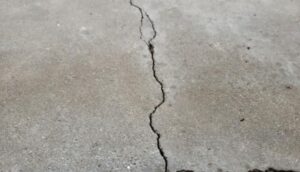
Cracks in walls, ceilings, or exterior brickwork are some of the earliest red flags. Vertical cracks might indicate settling, while stair-step cracks in brick often suggest movement that should not be ignored.
Doors and windows that stick or fall out of alignment are another common clue. When the foundation shifts, the frames warp, making the doors harder to open and close.
Sloping or uneven floors also point to underlying movement. Even small changes in floor height can signal that the structure beneath is shifting. These issues often encourage homeowners to request a Foundation Inspection in San Antonio before the damage progresses.
What Happens During a Professional Foundation Inspection
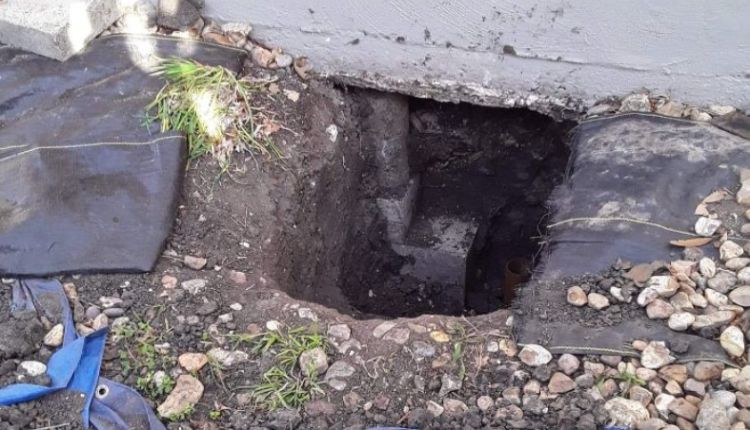
A professional inspection begins with a visual evaluation of the home’s interior and exterior. Inspectors look for cracks, separation, bowing walls, moisture issues, and other structural concerns.
Next, elevation measurements are taken to determine whether the home has settled unevenly. These readings map out the highest and lowest points of the structure, revealing exactly where movement has occurred.
Soil and drainage conditions around the home are also evaluated. Poor drainage, pooling water, or soil instability often contribute to foundation problems.
Why Foundation Inspections Save Homeowners Money
The biggest benefit of an early inspection is avoiding costly repairs later. Problems caught early are usually small and manageable. Waiting too long allows cracks to spread, floors to drop further, and structural issues to become more complex.
A stable foundation also protects the lifespan of the home. When the foundation is strong, the rest of the structure performs better.
Inspections also help homeowners plan ahead for preventative maintenance. Clear information about soil conditions, drainage needs, or minor repairs gives homeowners a roadmap for protecting their investment. This is one of the reasons a Foundation Inspection in San Antonio is considered a smart, proactive choice.
How Soil and Moisture Affect Foundations in San Antonio
Soil expansion during wet seasons places pressure on foundation walls. This movement causes shifting, cracking, and uneven settling.
When drought conditions hit, the soil contracts and pulls away from the foundation. This creates empty spaces that allow the home to sink or tilt.
Poor drainage is another major factor. Water pooling around the foundation softens the soil and accelerates settling. Even improper gutter placement or landscaping can contribute to the problem. These conditions show why the local climate makes inspections especially important.
What Homeowners Can Expect After an Inspection
After completing all measurements and evaluations, the inspector provides a clear report describing the foundation’s condition. This includes a summary of movement, problem areas, and supporting photos.
If repairs are needed, the inspector recommends solutions tailored to the issue. These might include pier installation, soil stabilization, leveling, or drainage improvements.
Homeowners also receive guidance on reducing future foundation stress. This might include improving drainage, adjusting watering routines, or monitoring soil conditions. A detailed Foundation Inspection in San Antonio gives homeowners everything they need to make informed decisions.
When to Schedule a Foundation Inspection
If cracks begin spreading or becoming more noticeable, it is time to schedule an inspection. Movement rarely fixes itself, and waiting can make the issue worse.
Floors or doors that show new alignment problems should also be evaluated quickly. These small changes usually indicate ongoing movement beneath the home.
Homebuyers and sellers also benefit from an inspection. It ensures transparency and protects everyone involved in the sale. Many people request a Foundation Inspection in San Antonio during real estate transactions to confirm the home’s condition.
Why Professional Inspections Are Better Than DIY Checks
Homeowners can spot obvious cracks or visible problems, but trained inspectors are skilled at identifying subtle warning signs that the average person misses.
Professionals use specialized tools, such as elevation meters and moisture sensors, to provide precise information about the home’s structure. These measurements cannot be replicated with simple DIY methods.
Most importantly, professional evaluations lead to long-lasting solutions. Without a correct diagnosis, repairs may not address the real problem, leading to recurring issues later.
Conclusion
A strong foundation is essential for the safety, value, and stability of your home. With the right information and timely action, foundation problems are manageable and often simpler than homeowners expect. Early inspections prevent damage from spreading, reduce repair costs, and protect your investment for years to come.
For accurate inspections, trusted evaluations, and expert guidance, contact Total Foundation Repair San Antonio to schedule your foundation inspection today.