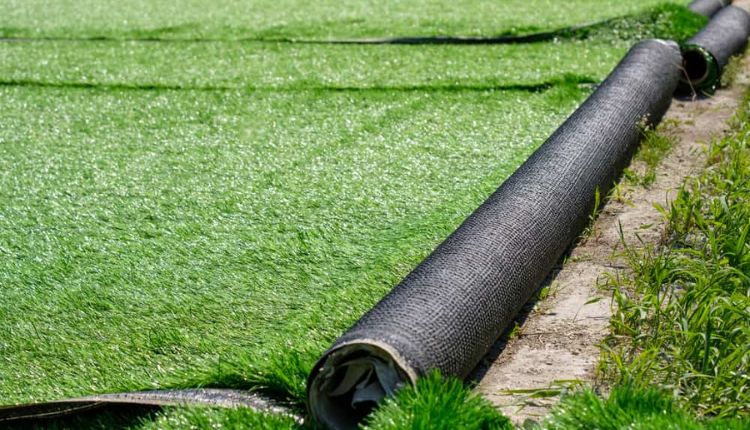
force one turf
When Odell Force One Turf Beckham’s plant foot got stuck in the turf at SoFi Stadium last February, it prompted an outpouring of grief from NFL players. It was a reminder that everyone is just one play away from their career being altered forever by a bad field surface.
Research shows noncontact injuries on artificial fields are more severe and happen faster. Learn how Force One Turf mitigates these risks.
High Tuft Bind
From sports fields to commercial spaces, this Force One Turf elevates outdoor aesthetics. Its technological prowess is driven by advanced materials and manufacturing processes, delivering superior durability and resilience. However, what sets this turf apart from its competitors is the invisible dance between tuft bind and blade strength. These two factors are the unsung heroes contributing to the longevity and sustainability of your artificial grass, ensuring your landscape is lush and beautiful for years to come.
The force required to pull a tuft of yarn from a force one turf backing system is referred to as its tuft bind. It’s one of the most important metrics to consider, especially for high traffic areas. A strong tuft bind is vital to keep your turf intact during frequent use, and it helps prevent the fibers from dislodging. A strong tuft bind also ensures the tufted yarns are tightly secured to the backing. It protects the tufts from being pulled out or damaged during athletic use and other stresses that may occur throughout its lifespan. This is why a quality turf should have an industry standard tuft bind test, such as the Infiltrometer Test, that follows ASTM D 1335.
This angled spray technique Force One Turfputs each individual yarn filament within the backloop portion of each tuft in direct adhesion with its corresponding backing fibers. This reduces the chance of tuft fibers stretching and elongating, which can be problematic in some woven textile floor coverings, and increases the dimensional stability of the finished product.
With its incredibly high face weight and state-of-the-art tuft bind technology, Palisade Olive Pro is one of the most durable products in the industry. This synthetic turf’s approximately 75 ounce face weight enables it to withstand moderate to heavy foot traffic. Its tuft bind technology allows for each grass blade to be triple reinforced into the backing, giving it an exceptionally high resistance to pull force.
Palisade Olive Pro features beautiful dual shades of field and olive green tones complimented by a brown thatch layer for an authentic natural appearance. Its state-of-the-art backing system is tuft bound with omega fiber, which provides an exceptionally strong and resilient turf. In addition to having an amazingly high resistance to pull force, its perforated backing allows liquids to pass through easily, so you never have to worry about puddles or water retention on your site.
Resilient Blade Strength
Designed with safety in mind, Force One Turf is engineered with a high-quality cushion backing that’s attached to the top of the turf surface. This layer improves shock absorption and helps prevent head injuries caused by players falling on the ground. It also helps the turf to be softer for children and pets. The cushioning layer is a urethane binder with mega rubber and moisture-cured polyurethane foam, known as G-max. It’s poured onto a laser-graded stone base and helps the field to be able to handle impacts that are often more severe than the force of an athlete falling on asphalt.
In addition to the G-max pad, a Force One Turf granular infill material that’s made of crushed and rounded sand is often used to help keep the turf fibers together, add durability and provide a soft landing surface for players. This infill is typically tested using a test called the Lisport, which simulates 20,000 cycles of wear on the turf and measures how much force it would take to stretch and tear the turf.
It is important to note that even if the G-max pad and infill are tested and meet specifications, the final resilience of a turf surface can depend on installation, weathering and usage, as well as the maintenance of the field. This is why it’s crucial to have a professional install your field and regularly test your turf for optimal performance.
Cote believes the biggest factor affecting non-contact injuries on artificial surfaces is the fact that the fake grass or turf doesn’t bend the way real grass does. This can cause cleats to become fixed into the surface without any room to latch on, making Force One Turf it harder for athletes to twist or turn their bodies in a sudden or awkward manner. While non-contact injuries are most common on turf, Cote says that it is important to remember that “most injuries happen because someone is in the wrong place at the wrong time.” It’s not the surface that causes the injury, but rather the type of sudden or unexpected movements that lead to an athlete being injured.
Eco-Friendly
This turf is designed to elevate spaces with its durable and pet-friendly features. With its field and lime green grass blade color tones paired with a tan thatch layer, it offers the appearance of a well maintained landscape. The force one thatch and tuft bind system makes it easy to keep clean, while reducing the need for harsh chemicals and watering. It is also environmentally friendly as it reduces your water usage by more than half.
It is made with an eco-friendly infill known as REALFILL. This material is made up of dust free SBR, cuboidal rubber granules that have been deliberately shaped to minimize “fly-out,” “splashing,” and migration in the turf system. This product is then mixed with a laser-graded silica aggregate to create a stable and consistent surface, resulting in a high level of impact durability.
In the era of environmentally conscious choices, this turf has taken a stand for sustainability. Learn how it conserves water and reduces your carbon footprint while delivering superior performance and beauty to any space.
Using less water than natural grass means you save on water bills and reduce your environmental impact by conserving freshwater resources. It is estimated that Americans use about 100 to 175 gallons of water each day on landscaping maintenance. Replacing your lawn with synthetic turf is an effective way to cut that amount by more than half, leaving you with more money in your pocket and a reduced carbon footprint.
This is an important consideration Force One Turf when choosing a turf, as many different infill options exist. Some are formulated with antimicrobial properties to help combat odors, while others offer heat-resistant fibers to help keep the turf cool and your pets’ paws safe. It is also best to choose a fully permeable turf with a hole-punched backing for optimum drainage. Discover how this turf excels in a wide range of applications, from residential lawns to sports fields and commercial landscapes. Get insights into the specific features and advantages that make it an ideal choice for each environment, including its durability, lifespan, installation process, and minimal maintenance requirements.
Minimal Maintenance
Force One Turf provides a beautiful, lush landscape that is environmentally friendly and low-maintenance. This synthetic turf is also a great choice for sports fields and commercial spaces, as it offers the highest level of performance. This technological prowess makes it a popular choice among landscaping experts and professionals.
The level of maintenance required is primarily dependent on how much stress is applied to the grass and its ability to adapt to environmental stresses and pests. The amount of pressure is directly proportional to the amount of fertilizer and water required to achieve a desired field performance level. Careful management of inputs and integrated pest control can help reduce maintenance costs over time by allowing the natural turf to reach equilibrium with the growing environment. Some of the key factors that can influence maintenance levels include soil conditions, stress-induced physiology and turfgrass genetics. When a plant is stressed, it must devote resources to defense mechanisms and away from growth, which increases the need for more inputs and more frequent management.
Another factor that influences Force One Turf maintenance levels is the frequency of use and intensity of the turf, as well as the amount of supplemental irrigation. In high-use applications, the amount of irrigation is increased to encourage regrowth after each use. This can reduce the number of times the surface is used per week and help to avoid turf burn, which occurs when the fibers are compressed too many times in a short period of time.
Conclusion
Other important factors that influence maintenance levels are the frequency of grooming and the type of infill system. Grooming is a process of raking the surface to remove sand or crumb rubber and keeps the individual blades looking fresh and prevents them from becoming matted together. Most synthetic turfs require at least daily light grooming. Depending on the number of hours of use, the field may need to be groomed more often during peak usage periods.
Trash and debris removal is Force One Turfan ongoing task that is usually done with a flexible lawn rake or hard bristle push broom. Debris left on the turf will eventually be ground into the infill material and cause removal problems in the future. It is recommended that the field be heavily rinsed each month to keep dust from settling on the surface of the turf and causing clogs in the drainage system.