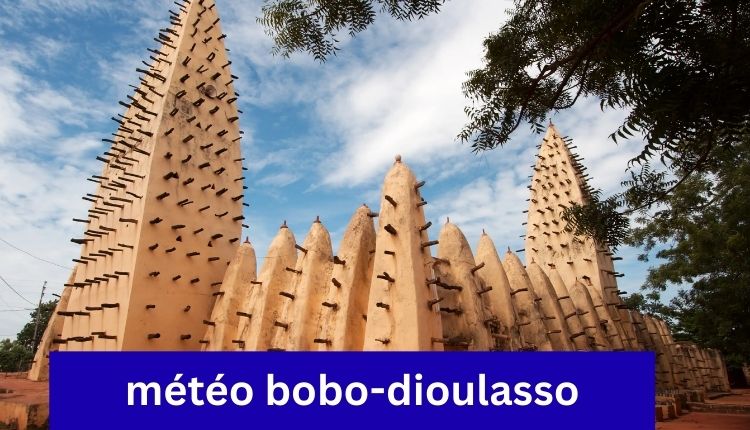
météo bobo-dioulasso
- As a vibrant cultural and economic centre in Météo Bobo-Dioulasso, understanding local weather is essential for residents, farmers, travellers and businesses. The city’s tropical climate significantly affects its agriculture, festivals, lifestyle and even infrastructure. Analysis of the weather of Bobo Dioulasso provides valuable insight into how seasonal changes shape the rhythm of life in this dynamic area.
Climate characteristics of Bobo Dioulasso
Météo Bobo-Dioulasso experiences a tropical savanna climate, which means it has two main seasons – the rainy season and the dry season. The rainy season usually lasts from May to October and is characterised by heavy rainfall and lush greenery in the landscape. During this period, temperatures are warm but tempered by frequent rains and cloudy skies. On the other hand, the dry season stretches from November to April and is dominated by hot, dry winds from the Sahara known as the Harmattan.
Temperatures in Bobo Dioulasso generally remain high throughout the year, ranging between 25°C and 38°C. Humidity varies greatly depending on the season, with wet months being wetter and dry months being drier. This change affects water availability, agricultural productivity and public health conditions.
Understanding seasonal variations
The two main seasons in Météo Bobo-Dioulasso play different roles in shaping both the environment and human activities. The rainy season replenishes the soil, promotes crop growth and cools the atmosphere, offering relief from the heat. However, it can also cause problems such as flooding, muddy roads and traffic disruptions.
In contrast, the dry season brings clearer skies and longer sunny days that are perfect for outdoor events, festivals and hiking. However, this season can also lead to water scarcity and dust pollution due to Harmattan winds. Understanding the météo of Bobo Dioulasso during each season allows residents and visitors to plan accordingly, whether for farming, construction or travel.
Agricultural significance of Météo Bobo-Dioulasso
Agriculture remains the backbone of the local economy in Météo Bobo-Dioulasso and the weather directly affects the success of agricultural activities. The region relies heavily on rainfall to grow staple crops such as millet, maize, sorghum and rice. Farmers carefully monitor Bobo Dioulasso’s météo forecasts to determine the best planting and harvesting times.
During the rainy season, steady rain supports healthy crop yields, while unpredictable dry spells can threaten food security. Due to climate change, weather conditions are becoming less predictable, increasing the importance of accurate meteorological information for agricultural planning. Organisations and weather services provide regular weather updates to help farmers adapt to changing climate trends.
Urban life and the influence of weather
In the urban environment of Météo Bobo-Dioulasso, the weather affects almost every aspect of daily life – from transport and construction to public events and energy consumption. High temperatures often result in higher electricity demand for cooling, while rainfall can cause temporary power outages or damage to infrastructure.
Local authorities and urban planners rely on météo Bobo Dioulasso data to prepare for extreme weather events and design more resilient urban systems. Proper drainage systems, heat-resistant building materials and green spaces are essential to mitigate the effects of a tropical climate. Understanding the weather forecast helps citizens prepare for sudden downpours or heat waves, ensuring safety and comfort.
A cultural connection to the weather
Météo Bobo-Dioulasso is a city rich in tradition, music and community celebrations. The weather has a profound effect on these cultural events, many of which are scheduled according to seasonal patterns. The dry season, with pleasant evenings and reduced rainfall, is ideal for festivals, weddings and outdoor gatherings.
The rainy season, while vital to crops, can affect the timing of outdoor cultural activities. Local people often incorporate weather-related themes into their folklore, songs and rituals, reflecting the deep connection between people and their environment. Météo Bobo Dioulasso thus becomes more than a forecast – it represents the pulse of local culture and tradition.
Environmental and health impacts
The weather in Météo Bobo-Dioulasso also plays a vital role in shaping the local environment and public health. Heavy rains promote vegetation growth and replenish water resources, but they can also create breeding grounds for mosquitoes, leading to diseases such as malaria. Conversely, the dry winds of Harmattan can cause respiratory problems and eye irritation from dust.
Local health agencies often use meteo data to predict and respond to such seasonal health risks. Residents are encouraged to take precautions such as using mosquito nets during the rainy season and protecting their eyes and skin from dust during the dry months. Understanding the weather in Bobo Dioulasso helps communities prepare effectively for these challenges.
Tourism and the best time to visit
Météo Bobo-Dioulasso attracts visitors with its rich history, music scene and lively markets. Weather conditions play a significant role in determining the best time for hiking. The dry season, especially from November to February, is generally considered the most comfortable time for travel. The air is drier, the temperatures are mild and the roads are easier to navigate.
During the rainy season, nature lovers can enjoy the city’s greener scenery and cultural authenticity, though heavy rains may disrupt outdoor plans. Many tourists check the Bobo Dioulasso météo updates before planning trips to ensure a smooth trip and to pack appropriately for the conditions.
The role of modern Météo Bobo-Dioulasso
Thanks to technological advances, Météo Bobo-Dioulasso météo forecasts are more accurate and accessible than ever before. The meteorological services in Burkina Faso use satellite data, radar and computer modelling to forecast temperature changes, rainfall and wind patterns. These predictions are distributed through radio, television, mobile applications and online platforms.
Accurate weather information supports multiple sectors, from agriculture and transportation to disaster management. With growing concerns about global climate change, these technologies are essential to help the population adapt to more extreme weather conditions.
Climate change and future challenges
Like many regions in West Africa, Météo Bobo-Dioulasso is not immune to the effects of climate change. Rising temperatures, erratic rainfall and increased frequency of drought are affecting agriculture and water availability. These challenges underline the importance of sustainable practices.
Communities and organisations in Bobo Dioulasso are working toward climate resilience through education, tree planting, and sustainable farming techniques. Monitoring the weather in Bobo Dioulasso helps identify long-term climate trends, guiding adaptation strategies for a more secure future.
Conclusion
Understanding météo Météo Bobo-Dioulasso is essential for navigating life in one of Burkina Faso’s most dynamic cities. The interplay between the wet and dry seasons influences everything from farming and public health to culture and tourism. By staying informed about local weather conditions, residents and visitors can make better decisions and contribute to sustainable development. As climate patterns continue to evolve, météo Bobo Dioulasso remains a vital tool for planning, adaptation, and resilience in the face of change.
FAQs
What type of climate does Bobo Dioulasso have?
Bobo Dioulasso has a tropical savanna climate with a distinct wet season from May to October and a dry season from November to April.
When is the best time to visit Bobo-Dioulasso?
The best time to visit is during the dry season, especially from November to February, when temperatures are moderate and rainfall is minimal.
How does météo Bobo-Dioulasso affect agriculture?
Weather patterns determine planting and harvesting times, influencing crop yields and overall food security in the region.
What is the hottest period in Bobo-Dioulasso?
The hottest months are typically March and April, just before the rainy season begins, with temperatures often exceeding 38°C.
How is meteo information shared with the public?
Weather updates are broadcast through radio, television, mobile apps, and online meteorological platforms to help people plan daily activities efficiently.